
Private Label Thailand
Thai Cosmetics Private Label: 6 Critical Decisions Before You Start
Starting a Thai cosmetics private label venture isn't about finding a manufacturer first—it's about making six strategic decisions that determine your entire budget and timeline.
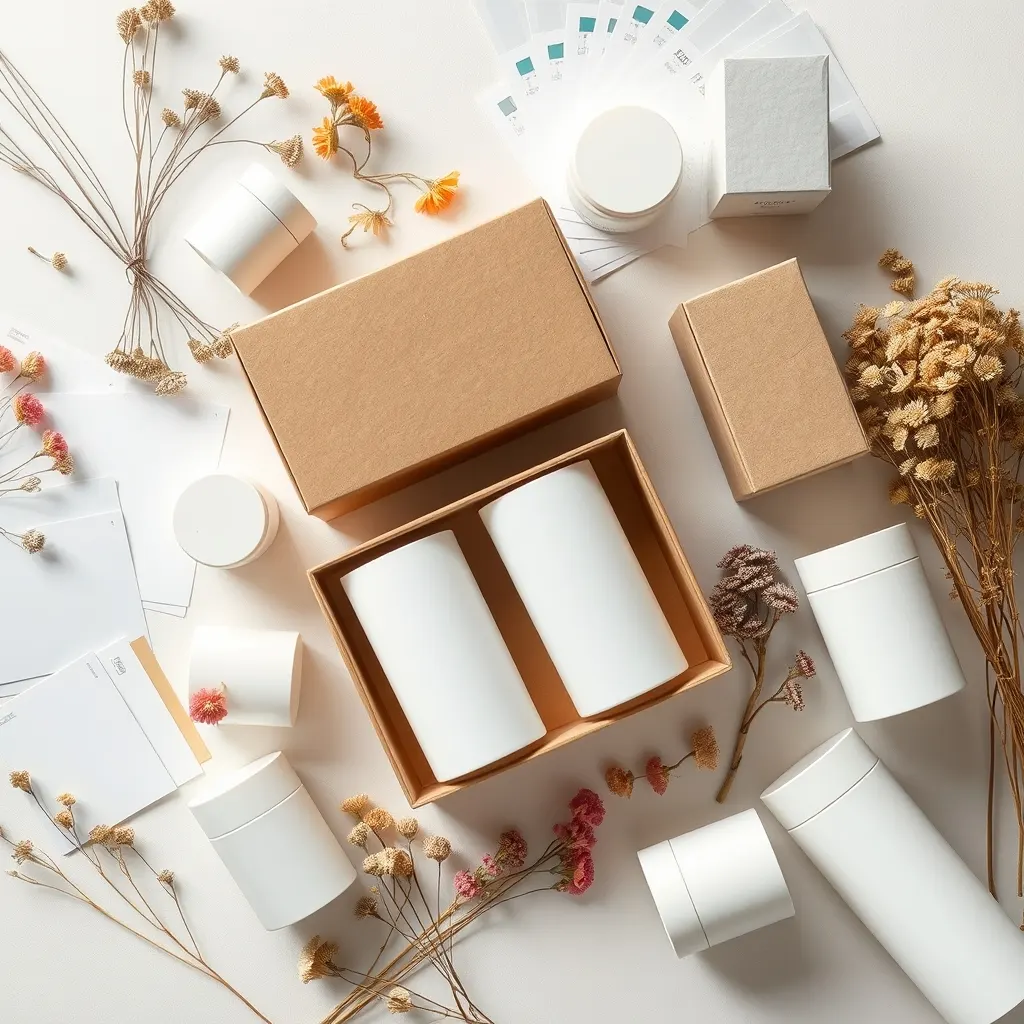
Many people begin their Thai cosmetics private label journey by searching for a manufacturer. In reality, the factory is the seventh decision, not the first. The six decisions that come before it are what truly shape your total costs, timeline, and ability to sell products successfully. This article walks through each decision one by one, along with the questions you should ask before spending your first dollar.
How Private Label Differs From Importing Ready-Made Products
These two models solve different problems, and many people make the wrong choice by only looking at profit margins.
**Importing ready-made branded products** means buying finished products that already have a brand name and market presence, then reselling them. The advantage is fast entry, flexible capital based on order quantities, and customers already know the product so you don't build trust from scratch. The drawback is you can't control prices, you have no exclusivity, and someone else will always be selling the same items at lower prices.
**Private label** means products are manufactured and carry your brand name. The advantage is you control pricing, build your own brand asset, and avoid direct price comparisons. The drawback is higher initial capital since you must commit to minimum quantities, a longer timeline, and you take full responsibility for legal documentation and quality.
Questions to assess your readiness:
- Do you already have sales channels and customers, or are you still building?
- How many products can you currently sell per month?
- Do you have enough working capital to hold inventory for several months without cash flow problems?
- Do you have someone to handle the registration paperwork in Vietnam?
If three of these four are "no," a smarter path is usually to sell ready-made Thai products first to understand customer needs and validate demand, then switch to private label for your best-selling product categories. Starting directly with private label isn't wrong, but carries significantly higher risk.
Decision 1: Choosing Your First Product Category
Your first product should be chosen by what sells easily and manufactures easily, not by what you personally like best.
Factors to consider when selecting:
- **Repurchase frequency.** Products that empty quickly give you recurring revenue. Facial cleansers, body creams, and shampoos have shorter repurchase cycles than lipstick or perfume.
- **Formula complexity.** Simple base products are easier to stabilize, carry less risk for shelf life, and require less complex testing than specialized treatment lines.
- **Transportation risk.** Liquid products in glass bottles cost more to package and break more easily than tubes or powders.
- **Competition on your sales channel.** If a category is oversaturated, advertising costs will eat up all your profit.
One lesser-known fact: Thai cosmetics private label isn't limited to beauty products. Thailand's manufacturing network also handles private labels for Thai herbal products, Thai supplements, Thai sauces and seasonings, essential oils, balms and liniments—even household items like Thai fabric softeners. If you're already selling Thai products wholesale, look at your sales data: whichever category you're selling best and customers keep reordering is usually the right one to make private label first.
Practical advice: choose one product category and one to two SKUs for your first batch. Launching five SKUs at once is the fastest way to waste capital on unproven items.

Decision 2: Using an Existing Formula vs. Developing Your Own
This decision has the biggest impact on your timeline and budget, and there are two clear paths.
**Using the manufacturer's existing formula.** You select from the factory's catalog of ready-made formulas and can adjust fragrance, color, packaging, and labels. This is the fastest route and perfect for a first launch, since the formula is already stable and tested. In return, that same formula might be used by other brands, so you'll struggle to differentiate on product quality and will compete mainly through branding, packaging, and sales channels.
**Developing your own formula.** The manufacturer creates a new formula based on your specifications. You get something hard to copy and your own story to tell. However, this requires more sample iterations, stability and microbial testing, a bigger budget, and a noticeably longer timeline.
The practical way to choose: if this is your first product and you're unsure which category will sell, go with an existing formula to learn faster. Once you know which SKU moves well, invest in your own formula for that specific product.
Questions to ask the manufacturer at this stage:
- Is this formula exclusive to me or shared with other brands? If shared, what can I modify?
- If I develop my own formula, who owns it when we stop working together?
- Has the factory made this product type for the Vietnamese market before?
- When I reorder, will the formula stay the same, and how is it controlled?
Get answers in writing and include them in your contract—don't leave them in messages.
Decision 3: Packaging and the Minimum Quantities That Come With It
Packaging is where newcomers' budgets usually balloon unexpectedly, because it doesn't move on the same timeline as the product itself.
Three groups of costs to separate:
- **Standard packaging.** Bottles, jars, tubes, and caps already in the supplier's inventory. You just choose the style and size. Cheapest and fastest, but everyone can use the same designs.
- **Standard packaging with customization.** Using existing molds but adding printing, coating, embossing, or color changes. This is the sweet spot for most new brands.
- **Custom-designed packaging.** Your own exclusive shape. Most beautiful but comes with tooling costs and much larger minimum order commitments. Rarely justified for a first product.
Key point: labels, boxes, and bottles all have separate minimum order quantities. In standard OEM manufacturing, the typical minimum is 1,000 units per SKU, and this applies separately to each label version. That means if you make two sizes, you're committing to two packaging lines, not one.
One expensive mistake newcomers make: printing labels before your documentation is finalized. If your label content needs changes, your entire printed batch is wasted. The safe rule is: finalize label content, review legal requirements, then send to print.
Finally, request samples of the actual packaging with actual product inside, not just design files. Open and close the cap several times. Leave it in your car for a few days in direct sun. Problems you discover in one week of testing will cost far less than problems discovered after your shipment arrives.

Decision 4: Who Signs the Registration in Vietnam
This is the part many people leave until the end, then discover it determines your entire timeline. Handle it from the start.
Cosmetics imported for sale in Vietnam must follow the regulatory registration procedures set by government authorities. Additionally, products in circulation require Vietnamese-language supplementary labels with all mandatory information. Regulations in this area change over time, so check with the relevant authorities or legal service providers before each new product launch rather than relying on outdated information.
Things to clarify immediately:
- **Who is the registered organization in Vietnam.** Usually your own company or your import partner. This party is also responsible for the product on the market.
- **What documents the manufacturer supplies.** Typically includes manufacturer information, formula ingredients, and related product documentation, provided per item when you place your order. Get a specific list in writing.
- **Label content matches your registration.** Product name, benefits, and ingredients on the label must align with what you registered. This is why labels can't be printed early.
- **Sales channel copy.** Everything you write on your sales page is also regulated, not just the label. Collect all your sales copy and review it together with your label.
If you've never done registration paperwork, two common options are hiring a professional registration service, or partnering with an experienced importer in your product category. Outsourcing costs are usually tiny compared to the cost of having a shipment held up.
Decision 5 & 6: True Product Cost and Your First Sales Channel
These final two decisions go together, because your true cost determines which channel you can actually sell through.
**True product cost** is not what the factory quotes. Your spreadsheet needs every single item for each product:
- Manufacturing cost for the product itself
- Primary packaging: bottles, jars, caps, dispensers
- Secondary packaging: boxes, labels, seals
- Development and sampling costs, divided across early batches
- Testing costs if applicable
- Registration and legal service fees
- International shipping and cargo insurance
- Import duties and VAT according to current regulations
- Domestic shipping and storage
- Loss allowance for breakage, damaged goods, samples
- Advertising costs and platform fees if selling online
Divide your total by the quantity you actually expect to sell, not by your purchase quantity. If you import 1,000 units but expect to sell 800 over the product's lifetime, calculate your true cost on 800, not 1,000.
**Your first sales channel** should be one where you already have customers, not one you want to develop. If you're already selling well on one platform, launch there first. Opening a new channel at the same time as launching a new product doubles your variables and makes it impossible to know what's actually working.
The generally safe path is: sell ready-made Thai products to learn your customers, pick your single best-selling SKU, create a private label version with an existing formula and standard packaging, sell through that first batch, then expand your range. If you want to discuss which Thai cosmetics, Thai skincare, or other Thai herbal products category fits your market, you can request a catalog and sourcing consultation from your distribution partner or manufacturing contact, and you should compare at least two to three suppliers before deciding.
Need expert support?
Leave your details and our team will get back to you.
FAQ
Frequently asked questions
Are private label and OEM the same thing?
Close, but not identical. Private label usually means using an existing formula from the manufacturer and applying your brand label, while OEM typically means the factory manufactures based on your requirements or your formula. In practice, the terms get mixed up, so always ask specifically who owns the formula and what you're allowed to change.
Should I start with private label or sell ready-made products first?
If you don't yet have stable sales channels and don't know which product categories your customers repurchase, selling ready-made items first usually carries less risk because you learn real demand without committing to minimum quantities. Once you have sales data showing which items customers buy repeatedly, that's when you pick the top performer to make private label.
What do I need to prepare before contacting a manufacturer the first time?
Prepare four things: your product category and one to two specific SKUs you want to make, a description of your target customer, two or three comparable products on the market with notes on what you like and don't like, plus your expected retail price range and sales channel. With these four pieces of information, your first meeting will end with a concrete proposal instead of another appointment.
Do Thai-manufactured private label cosmetics need registration in Vietnam?
Yes. Imported cosmetics that will be distributed in Vietnam must follow mandatory registration procedures, and products in circulation require Vietnamese-language supplementary labels. The organization registered in Vietnam—not the factory—is responsible for this. Regulations change, so verify current requirements with authorities or legal service providers before placing your order.
Prepared by the ThaiNex team for informational purposes. Some links may lead to referred partners.
Articles
Related articles

Murang Thai Skincare Wholesale: Gabay sa Pag-source
Ang mura sa wholesale ay landed cost, hindi unit price. Gabay sa mga sourcing channel, pagsuri ng supplier, dokumento, kategorya at pagpepresyo para sa PH buyers.

Thai Whitening Lotion Wholesale: A Buyer's Guide for Philippine Resellers and Distributors
Thai whitening lotion has a loyal following across the Philippines, from Shopee resellers to drugstore chains looking to diversify their beauty shelves. But sourcing it wholesale i

Thai Skincare Distributor India: A Buyer's Sourcing Guide
Searching for a Thai skincare distributor for India surfaces three very different kinds of company, and choosing the wrong kind costs months