
Guide
Build Your Own Cosmetic Brand with Thai Manufacturers: A 6-Step Roadmap
A 6-step roadmap to build your private cosmetic brand with Thai manufacturers: choose ODM/OEM model, define positioning and first products, develop samples, design packaging, handl
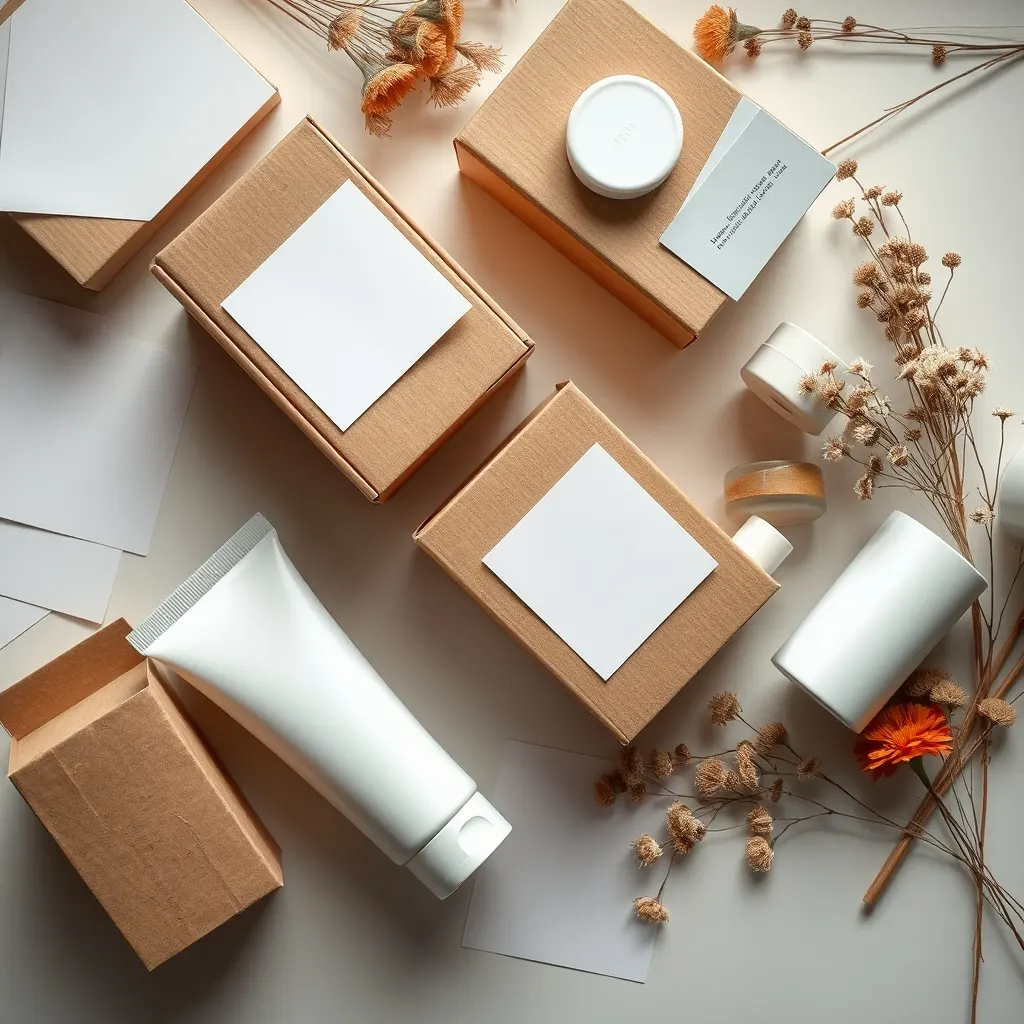
Many Thai cosmetics distributors and resellers in Vietnam, after several years selling ready-made products, arrive at the same question: having understood the market and built a customer base, why not create their own cosmetic brand with Thai manufacturers? It's a valid question, but the path from idea to the first production batch has several decision points that those accustomed to selling ready-made products rarely anticipate: selecting a formula model, differentiating from existing inventory, managing export documentation from Thailand and product registration in Vietnam, then finally moving to production. This guide maps those decision points into six steps, written from the perspective of a sourcing consultant who has partnered with B2B clients in both directions: importing ready-made Thai products and developing private label brands. Whether you're scaling Thai skincare products or exploring OEM skincare options, this roadmap covers the full journey.
Step 1: Decide on Your Collaboration Model with Thai Manufacturers
Before discussing products, you need to choose how to work with manufacturers, since the model determines cost, timeline, and brand differentiation. Three common models exist when working with the Thai cosmetics manufacturing network.
- **ODM (Original Design Manufacturing):** The manufacturer has already developed and tested a formula; you select it, create a brand name, design packaging, and apply your branding. This is the fastest approach with the lowest development cost, ideal for your first product. The trade-off: the formula isn't exclusive—the manufacturer can supply it to other brands.
- **OEM (Original Equipment Manufacturing):** You provide specifications or a formula; the manufacturer produces exactly according to your requirements. Higher control, but also higher costs and testing responsibility.
- **Complete New Formula Development:** Co-develop from scratch based on your concept. Most differentiated, but most time-consuming and expensive.
Beginners typically choose ODM for their first product and gradually shift to OEM once sales data exists. This is a smart approach, not a compromise.
Parallel to the formula model is the distributor model. You can source manufacturers, labs, packaging printers, testing facilities, and freight forwarders independently; or work through a single partner managing the entire chain. For Vietnamese businesses without on-the-ground presence in Thailand, a distributor reduces the number of stakeholders to track. ThaiNex supports OEM skincare and private label solutions through a network of manufacturing partners in Thailand. If you want a partner to guide your brand from formula to shelf—covering everything from Thai herbal products to finished goods—OEM/ODM models like 5FINE (5fineglobal.com) are a strong option. Regardless of your choice, clarify from day one: who owns the formula, who signs the Thai documentation, and what happens if you switch manufacturers.
Step 2: Define Brand Positioning and Select Your First Products
Your biggest advantage as someone already selling Thai skincare is knowing what customers buy, what they ask, and what they complain about. Turn that data into positioning instead of creating a copycat product with a different label. A private brand thrives by addressing a need that your current Thai cosmetics inventory doesn't fully meet.
How to leverage sales data:
- Review customer messages and reviews: What questions about products for oily, acne-prone skin repeat? What fragrance profiles do they ask for? Are they interested in portability? Every recurring question is a product idea.
- Analyze your main sales channels: TikTok Shop and Shopee favor easily-filmed products, mid-range sizes, and accessible price points; provincial distributors prefer daily-use items, attractive shelf displays, and clear margins for retailers.
- Pick one skin type or specific need instead of trying to serve everyone.
For your first product, the principle is: fewer SKUs, one clear story. Two to three complementary products work well—for instance, a facial cleanser and moisturizer for the same skin type, or a Thai body lotion with a signature fragrance plus a matching shower product. Thai manufacturers excel in herbal balm, body care, sun protection, and gentle formulations; choosing your first product within these strengths lets you leverage proven base formulas and existing test data.
Write all of this into a one-page brand summary: target customer, their need, expected retail price, sales channel, three words describing your brand, and a list of claims you want to make. This document goes to the manufacturer in the next step, and they'll only make samples matching your vision if they receive a clear brief.
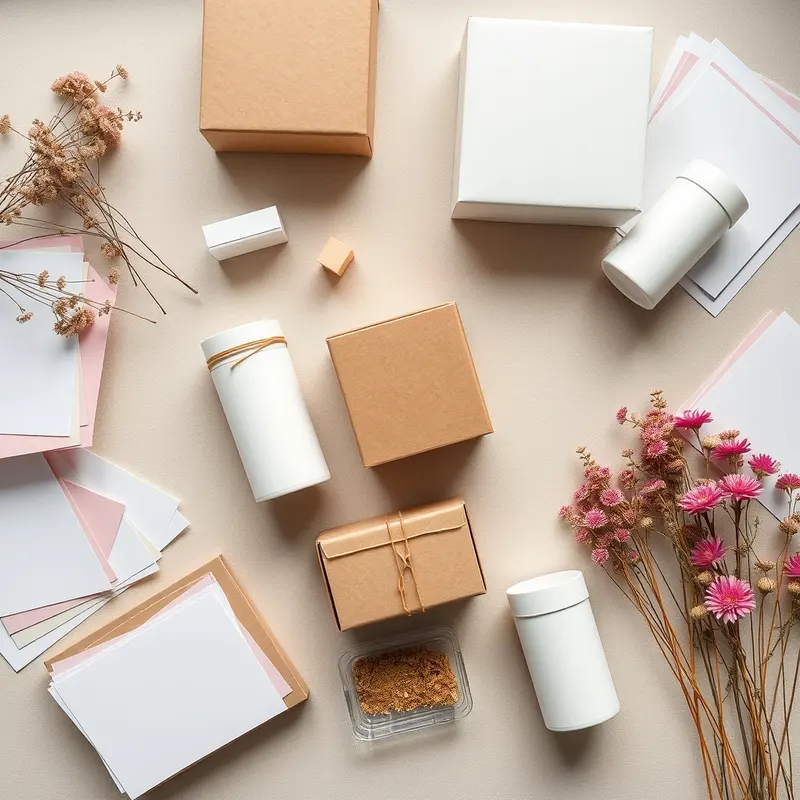
Step 3: Sample Development Done Right
Samples are where your brand takes shape, and also where many projects stall due to unclear evaluation criteria. Treat the sample phase as a structured process with inputs, criteria, and decisions—not just asking a few acquaintances to try it and share impressions.
Before receiving samples:
- Send the manufacturer your one-page brand summary from Step 2 along with specific requests about texture, absorption speed, scent, color, and ingredients to include or avoid.
- Agree on the number of revision rounds and costs if you exceed them.
- Ask what tests the manufacturer will perform on the formula: stability, microbiology, skin irritation, and SPF index if it's a sunscreen.
When evaluating samples:
- Use a shared scoring sheet for all testers: texture, absorption speed, feel at 10 minutes, scent when opening and after drying, skin reaction over several days.
- Test under Vietnamese climate conditions: leave samples in an unair-conditioned room, carry them outside, and observe for phase separation, color changes, or scent shifts after weeks.
- Test samples in the intended packaging, not just in lab containers, since formulas may interact with package materials.
One important note on product claims: the benefits you want to advertise on packaging and in marketing must align with the cosmetic category and test data. Therapeutic language may shift the product into a different regulatory category and complicate Vietnam registration. Finalize your claims list with the manufacturer during sampling—before designing packaging. Once samples meet your standards, request that the manufacturer lock the formula with a version number, store a sealed reference sample, and use that as the quality standard for future production batches.
Step 4: Packaging, Labels, and Brand Identity
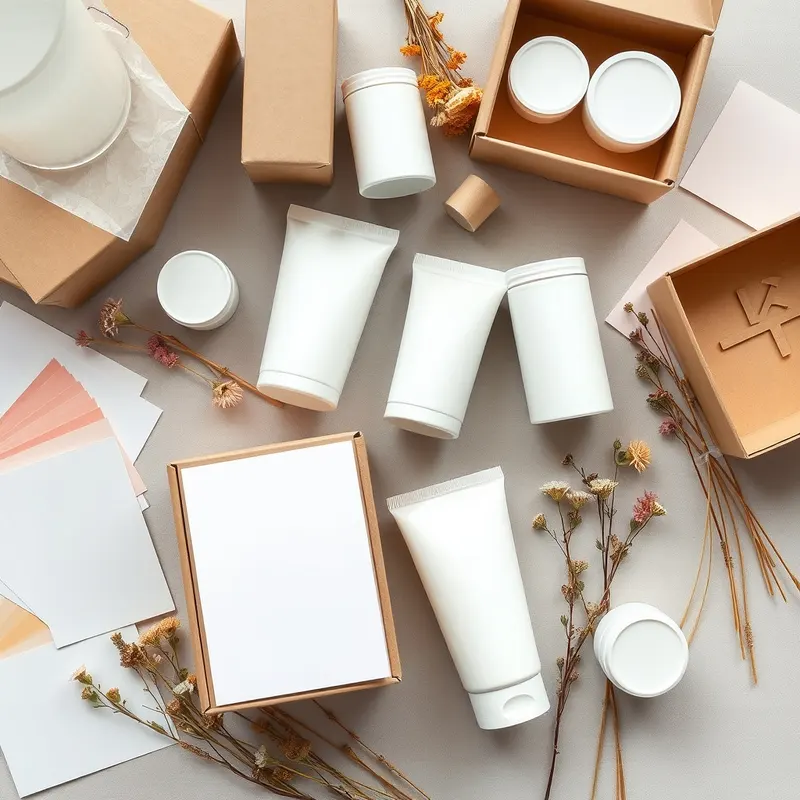
Packaging is where budgets easily overshoot and where technical errors happen most often. The right order is: packaging must suit the formula first, the brand aesthetic second, and budget constraints last.
On the technical side:
- Choose container type based on formula: light-sensitive actives need opaque or amber containers; acne-targeted creams work better in tubes or pumps rather than jars; liquid products need closures suitable for land transportation to Vietnam.
- Request that the manufacturer fill your intended packaging with actual formula to test compatibility and prevent leakage before ordering large volumes.
- Start with off-the-shelf containers from Thai suppliers and invest in label printing; custom molds should only be considered once you have sales data.
On labeling:
- Design with space reserved for mandatory information: product name, ingredients, volume, batch number, expiration date, manufacturer name, and the entity responsible for marketing the product in Vietnam.
- If the original label is in English or Thai, you'll need a Vietnamese sub-label for domestic distribution; plan the placement of that sub-label during initial design so it doesn't obscure logos or expiration dates.
- Cross-check the benefit claims on your label against the list finalized in Step 3.
On imagery: a compact visual identity including logo, color palette, typography, and photography style is sufficient for your first launch. Photograph products using actual packaging, shoot texture videos for TikTok and Shopee content. Don't wait until goods arrive to create content—you'll be selling and producing materials simultaneously. If your product line has a signature scent, test it in the actual emulsion, since the scent in a test vial and in a finished product can differ.
Step 5: Export Documentation from Thailand and Vietnam Product Registration
This step distinguishes successful launches from products that sit in storage. Two parallel documentation tracks run simultaneously, and you should start both as soon as your formula is locked—don't wait for production to finish.
**Thailand Track (Manufacturer and Distributor Responsibility):**
- The manufacturer holds the production license and manufacturing standards for their facility; request copies for your records.
- Depending on where the product sells, it may be registered with Thai regulatory authorities or follow the export manufacturing route; the manufacturer will advise the appropriate path.
- Export documents are supplied per shipment and typically include: formula disclosure, test reports, certificates of free sale or manufacturing certificates (if applicable), invoices, packing lists, and certificates of origin.
**Vietnam Track (Your Responsibility or Service Provider's):**
- Imported cosmetics must be registered with Vietnam's drug regulatory authority before distribution; the registering organization—usually your company—bears responsibility for bringing the product to market.
- Registration requires the formula, manufacturer information, and documents from the exporting country; inform the manufacturer early that you need documentation for Vietnam registration.
- Import duties, VAT, and ASEAN certificate of origin benefits require clearance with customs agencies.
Regulations in both countries evolve, so treat the above as reference only; verify with regulatory authorities or registration/customs service providers in Vietnam before finalizing packaging. The most common mistake is printing packaging only to discover later that product names or claims don't match registration requirements, forcing a complete reprint.
Step 6: First Production Run, Quality Control, and Launch
With samples locked, packaging tested, and documentation in progress, production becomes a planning exercise. Your first batch size is a conversation between you, the manufacturer, and your sales forecast; don't let unit quantities decide—let your sales plan decide the numbers.
Key tasks before production start:
- **Component Lead Times:** containers, caps, and printed boxes typically take longer than finished product. Order components immediately after design approval.
- **Pre-Production Sample Approval:** compare a sample from the actual production run against your sealed reference sample under consistent light and temperature, before filling and packaging.
- **Quality Standards:** agree on inspection criteria such as fill weight, cap torque, label placement, seal integrity, batch microbiology testing, and require test reports for each batch.
- **Expiration Dating** printed on packaging must match stability data—no guessing.
- **Shipping:** confirm delivery terms, protective packaging for road transport to Vietnam, and documentation the freight forwarder and Vietnam customs will need. Specific timelines and conditions are confirmed with quotes, depending on product type and route.
For your launch, leverage the customer base you've built selling ready-made Thai products. Introduce your private brand to them first: existing wholesale customers, Zalo groups, livestream followers. Send product to a small group of loyal customers and micro-influencers, request honest feedback on texture, fragrance, packaging durability during shipping, then incorporate that feedback into your next batch.
Finally, run your private brand and your existing Thai cosmetics inventory in parallel. Ready-made products fund cash flow and retain customers; your private brand builds long-term equity. Many successful Vietnamese distributors followed this path: manufacturing a few hero SKUs as private label while continuing to distribute established Thai brands across the rest of the product mix.
Need expert support?
Leave your details and our team will get back to you.
FAQ
Frequently asked questions
Can I build a private cosmetic brand with Thai manufacturers without establishing a company in Thailand?
Yes. Most Vietnamese businesses create private labels through Thai manufacturers or distributors without setting up a Thai entity; the manufacturer holds the production license and manages Thai-side documentation, while you register as the responsible party in Vietnam. What matters is a written agreement from the start: who retains formula ownership, who signs Thai registrations, and what happens if you switch manufacturers. This clarity prevents disputes later.
Should I start with existing formulas or develop my own for the first product?
With your first product, ready-made formulas that have been tested by the manufacturer help you launch faster with lower development costs; differentiation comes from positioning, packaging, fragrance, and messaging. Once you have sales and deeper market insights, move to OEM or custom formula development for hero products to increase exclusivity. This is a logical progression, not a shortcut.
What documents does a Thai manufacturer need to provide for Vietnam cosmetics registration?
Typically you'll need: the product formula, manufacturer information, test reports, and documents from Thailand such as a certificate of free sale or manufacturing certificate if available. Tell the manufacturer at the outset that you need a complete document set for Vietnam registration, and verify current requirements with Vietnam's regulatory authority or a registration service provider, since requirements change over time.
Should I stop selling ready-made Thai products to focus on my private brand?
No. Ready-made inventory funds operations and keeps your customer base engaged while your private brand develops, gets tested, and goes through registration. Many successful distributors in Vietnam follow this model: select one to three hero products for private label, continue distributing recognized Thai brands for the rest of the range, then expand gradually as private label sales grow.
Prepared by the ThaiNex team for informational purposes. Some links may lead to referred partners.
Articles
Related articles
Halal Thai Snacks Supplier: A Buyer's Guide for UAE Importers
Finding a halal Thai snacks supplier for the UAE means checking certification per SKU, not per company. Here is how importers shortlist, verify and build a first order.

ตัวแทนจำหน่ายสินค้าไทยไปต่างประเทศ: คู่มือเลือกพาร์ทเนอร์ส่งออกสำหรับผู้นำเข้าและนักกระจายสินค้า
ความต้องการสินค้าไทยในตลาดต่างประเทศเติบโตต่อเนื่อง ไม่ว่าจะเป็นเวียดนาม ฟิลิปปินส์ หรือตะวันออกกลาง ทำให้ผู้นำเข้า นักกระจายสินค้า และเจ้าของแบรนด์จำนวนมากมองหา "ตัวแทนจำหน่ายสินค
Thai Makeup Brands Worth Stocking: A Guide for PH Resellers
Thai makeup brands are a natural fit for Philippine resellers: Asian shade ranges, humidity-ready formulas and accessible pricing. Which to stock, how to source and what to check.