
Guide
How to Import Thai Cosmetics into Indonesia: A Complete Guide for Importers
Demand for Thai skincare and Thai cosmetics continues to grow in Indonesia, but the gap between spotting bestselling products on marketplaces and legally importing them in commerci
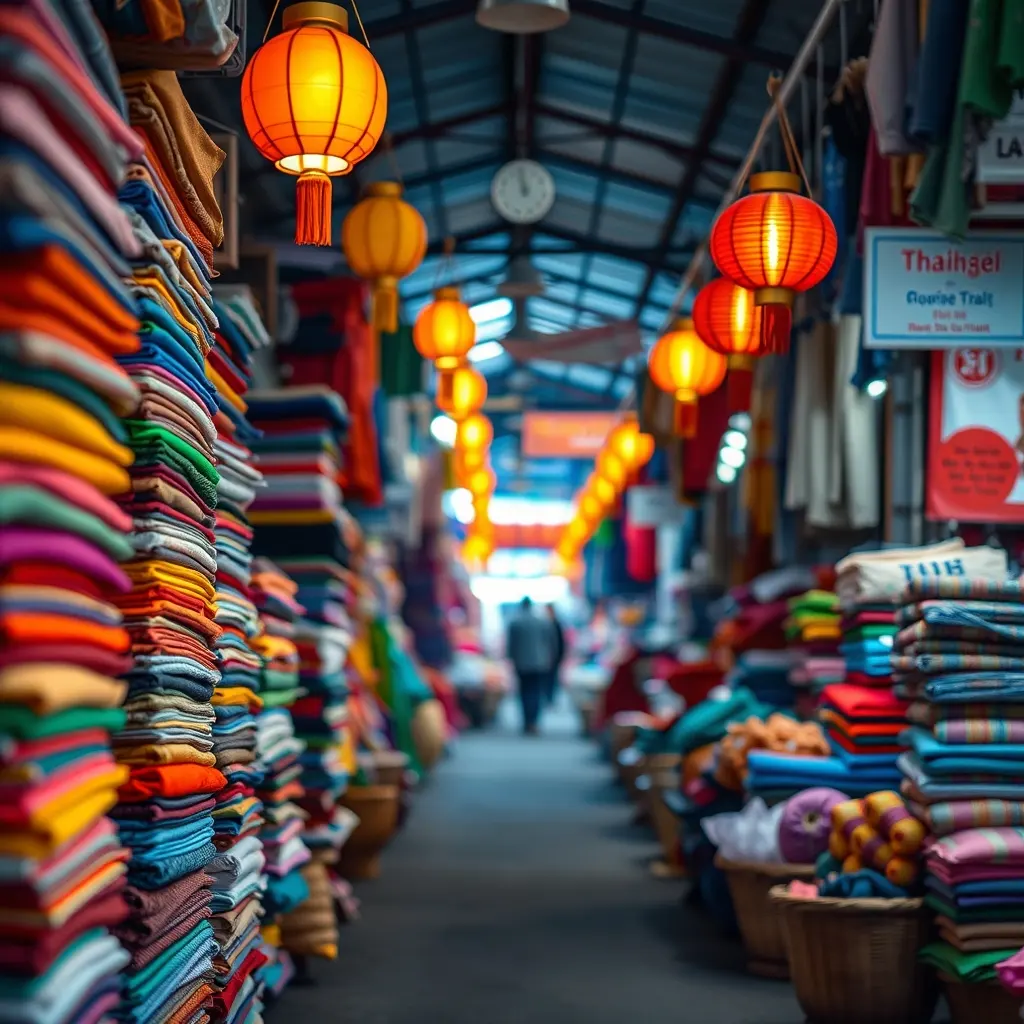
Demand for Thai skincare and Thai cosmetics continues to grow in Indonesia, but the gap between spotting bestselling products on marketplaces and legally importing them in commercial volumes is significant. This guide walks importers, distributors, and online store owners through importing Thai cosmetics step by step: from selecting reliable suppliers, understanding BPOM notifications, preparing documentation, to calculating the true landed cost so your selling price makes sense.
Step 1: Decide on a business model first, then search for products
Many aspiring importers start with a trending product, then figure out how to bring it in. A safer approach is the opposite: decide on your business model first, because that model determines the type of permits, order volumes, and supplier types you need.
Three business models are commonly used by Indonesian businesses for Thai cosmetics:
- **Importer and distributor of branded products.** You import existing Thai brands, such as established Thai skincare lines, then sell to shops, resellers, and marketplaces. You need a business entity with import licenses, and each product must be notified to BPOM under your company's name before distribution.
- **Reseller from an authorized Indonesian importer.** You purchase from a distributor that already holds BPOM notification. Lower startup capital, no customs headaches, but slimmer margins and dependence on another's stock. Good for testing the market before importing directly.
- **Your own brand (private label or OEM skincare).** You produce Thai cosmetics under your own brand through a partner factory in Thailand. The process is longer, but you control the brand and pricing. BPOM notification is still mandatory, with documentation from the manufacturing facility.
Questions you must answer first:
- Who is your end customer: beauty shops, clinics, online resellers, or direct consumers?
- How long can you wait from payment to having stock ready for sale? Legal imports mean time for notification and shipping.
- Are you prepared to assume legal responsibility for products in Indonesia?
If your answers aren't clear yet, start as a reseller from an authorized importer. If they are clear and you want to scale, move to the next step as an importer.
Step 2: Choose a Thai supplier that can provide documentation
The biggest mistake new importers make is buying from sources that cannot provide documents. Prices at Bangkok retail stores or wholesale markets may be tempting, but without producer documentation, products cannot be notified to BPOM and cannot legally enter in commercial quantities.
Common supply sources, with their strengths and limitations:
- **Producer or brand owner directly.** Most complete documentation, but many major brands only work with exclusive distributors per country and won't open orders for new buyers with small volumes.
- **Official distributors serving foreign buyers.** One-stop access to many brands and categories, with documentation provided per item when ordering. ThaiNex (thainex.com) is one example of a distribution platform in Bangkok serving importers and resellers from various countries, including for Thai products wholesale across categories like Thai skincare, body care, and Thai herbal products. Compare with other distributors you find.
- **Wholesale markets and retail stores.** Good for buying samples and comparing products, but typically cannot provide brand authorization letters or technical documents for notification.
- **B2B marketplaces.** Make it easy to compare many suppliers and request quotes, but verification remains your responsibility.
Documents to ask about from potential suppliers right away:
- Is an **authorization or power of attorney letter** available from the brand owner or producer appointing you as the importer in Indonesia?
- Is a **GMP certificate** from the manufacturing facility and a **certificate of free sale** from Thailand available?
- Is a **complete ingredient list** with percentages, **product specifications**, and **certificate of analysis** available?
- Can they issue **invoice and packing list** under your company name and assist with a **certificate of origin (Form D)** for ASEAN preferential tariff rates?
Suppliers who answer clearly and in writing are suppliers worth working with. If the answer is just "we can arrange it later," look elsewhere. Documents are provided per item when ordering, so make sure your product list is final before requesting.

Step 3: Understand BPOM notification before ordering anything
In Indonesia, cosmetics for commercial distribution must have a notification number from the Food and Drug Supervisory Agency (BPOM). For imported cosmetics, the notifying party is an Indonesian company appointed by the foreign producer or brand owner. This means the notification is under your company's name, not the Thai factory's.
Broad outline of the process (regulations may change; always refer to current BPOM rules and guidance):
1. **Business entity and basic licensing.** Your company must be registered, have a Business ID Number (NIB) in an appropriate business field, and access to BPOM's online licensing system as a cosmetics notification applicant. 2. **Applicant registration and company documents.** Including an authorization letter from the Thai producer or brand owner stating you as the notifying party in Indonesia. 3. **Per-product documentation.** Usually includes formula with ingredient percentages, specifications and testing methods, factory GMP certificate, certificate of free sale, safety and stability data, and label draft. 4. **Submission and evaluation.** Done through the online system; evaluators may request document corrections. Processing time depends on document completeness and BPOM's workload. 5. **Notification number and validity.** Once issued, the number must appear on the label. Notification has an expiration date and must be renewed.
Commonly overlooked points:
- **Restricted ingredients.** Indonesia follows the ASEAN Cosmetic Directive framework with additional national requirements. Check ingredients and claims before ordering, not after goods arrive.
- **Indonesian language labels.** Mandatory label information must be in Indonesian; typically met with approved additional labels (stickers) installed before distribution.
- **Claims.** Words like "whitening," "healing," or other medical claims may be rejected or reclassify the product.
Start the notification process alongside supplier negotiations, not after goods ship. Goods arriving without notification cannot be distributed and only add warehouse costs.
Step 4: Import documents and customs procedures
BPOM notification allows products to be distributed; customs allows goods to enter. These are separate processes and both must be ready. This section summarizes documents and procedures typically required; current details should be confirmed with Customs and your customs broker (PPJK).
**Documents from Thai supplier** - Commercial invoice under your company name, with product description, quantity, price, and Incoterms. - Packing list with carton count, weight, and dimensions. - Bill of lading (sea) or air waybill (air). - Certificate of origin Form D if you want to use ASEAN preferential tariff rates (ATIGA); ensure your supplier can handle this and data are consistent with the invoice. - Certificate of analysis per batch and other documents requested for inspection.
**Documents on the Indonesia side** - NIB (Business ID Number) as the importer identification number, plus related permits per cosmetics commodity regulations. - BPOM notification number for each product being imported; typically required in the goods clearance process. - Import documents submitted through the applicable system.
**Brief procedure** 1. Goods arrive at port or airport. 2. Customs broker submits import notice with supporting documents. 3. Payment of customs duty, import VAT, and other applicable taxes. 4. Document inspection and, if subject to physical inspection, goods inspection. 5. Approval for goods release, then delivery to your warehouse.
**Practical tips** - HS code must be consistent across supplier, customs broker, and notification documents; small differences can trigger inspections. - Don't mix already-notified products with non-notified products in one commercial shipment. - Keep all documents per shipment in one file; BPOM and Customs may request traceability later.
Choose a customs broker experienced with cosmetics, not just the cheapest. One delayed shipment costs more than a small difference in broker fees.

Step 5: Calculate true landed cost
The supplier's quoted price is not your cost of goods. New importers often set selling prices as supplier price plus margin, then are shocked when all other costs appear. Build your calculation using these cost groups.
**Product and document costs** - Product price per Incoterms (EXW, FOB, or CIF determines what's included). - Cost of arranging certificate of origin and export documents in Thailand, if charged separately. - Sample costs and sample shipping during initial stages.
**Regulatory costs** - BPOM notification cost per product, including consultant fees if you use a service. - Additional testing fees if required. - Design and printing costs for additional Indonesian-language labels and labor for application.
**Logistics costs** - International shipping: sea (LCL or FCL) for large volumes, air for samples and urgent small orders. - Shipping insurance. - Port and terminal fees at both ends, shipping document charges, warehouse fees if clearance is delayed. - Customs broker fees and transport from port to warehouse.
**Taxes and duties** - Customs duty per HS code; with a valid Form D, ASEAN preferential tariff rates may apply to many tariff lines. - Import VAT and import income tax per applicable regulations.
**Hidden costs** - Exchange rate fluctuation between quote date and payment date, plus international transfer fees. - Damage and shrinkage during shipping; budget for a percentage buffer. - Capital tied up during notification and shipping.
Simple formula: landed cost per unit = (total of all cost groups above) divided by saleable units. Separate import VAT if your company can credit it. Calculate for two volume scenarios to see how much fixed costs drop per unit with larger orders; this number determines whether a product is worth importing.
Step 6: Common mistakes for new importers and how to avoid them
Import mistakes for Thai cosmetics follow consistent patterns year after year. Recognizing them early saves money and reputation.
- **Buy first, get permits later.** Goods arrive, notification pending, stock sits in warehouse while approaching expiration. Run notification in parallel with supplier negotiations and only ship goods after notification is certain.
- **Rely on suppliers who can't provide documents.** Cheap prices without authorization letters, GMP, and free sale certificates are useless for commercial imports. Ask for documents before discussing price.
- **Ignore ingredient and claim restrictions.** Products legal in Thailand aren't automatically approved in Indonesia. Check ingredient lists and planned claims from the start.
- **Confuse supplier quote with cost of goods.** Without landed cost calculation, seemingly large margins vanish at the port.
- **Mix distribution channels.** Bringing commercial quantities through personal baggage or small shipment schemes risks seizure and damages your company's record. Separate small-scale market testing from commercial imports and consult your customs broker on the limits.
- **Forget Indonesian labels.** Notified products still cannot be distributed without mandatory information in Indonesian.
- **No batch record keeping.** If consumers complain, you must trace which batch was sold to whom.
**Recommended workflow** 1. Set your business model and product categories. 2. Choose suppliers who provide documentation; request document lists per item. 3. Check ingredients and claims against Indonesian regulations. 4. Set up your company, licensing, and BPOM system access. 5. Submit notification; while waiting, finalize label additions and calculate landed cost. 6. Order, ship, complete customs, apply labels, distribute.
All regulatory information in this article is for reference and subject to change. Confirm with BPOM, Customs, and your customs broker before conducting transactions. With the right sequence, importing Thai cosmetics is not a gamble—it's a repeatable process you can run every month.
Need expert support?
Leave your details and our team will get back to you.
FAQ
Frequently asked questions
Can I sell Thai cosmetics in Indonesia without BPOM notification?
For commercial distribution, cosmetics must have a BPOM notification number printed on the label. Selling without notification risks product seizure, marketplace store closure, and other penalties. If you're not ready to handle notification yourself, the safer option is to resell from an authorized importer who already holds notification for those products.
Who applies for BPOM notification—me or the Thai factory?
An Indonesian company appointed by the producer or brand owner in Thailand applies; thus the notification is issued under your company name. The Thai factory or distributor supplies technical documents like the formula, GMP certificate, and certificate of free sale, plus an authorization letter. Ensure from the start that your supplier is willing to provide these documents for each item you plan to import.
Is it better to import myself or buy from a local authorized distributor?
It depends on scale and readiness. Direct importing gives better margins and control over brand and stock, but requires a business entity, capital tied up during notification and shipping, and legal responsibility for products. Buying from a local notified distributor is good for market testing with lower risk. Many businesses start as resellers and transition to importers once volumes stabilize.
What are the most important documents to request from Thai suppliers?
Authorization or power of attorney letter from the producer or brand owner appointing you as the notifying party in Indonesia, the factory's GMP certificate, certificate of free sale, a complete ingredient list with percentages and product specifications, plus certificate of analysis. For customs, add invoice and packing list under your company name and Form D certificate of origin if you want to claim ASEAN tariff preference.
Prepared by the ThaiNex team for informational purposes. Some links may lead to referred partners.
Articles
Related articles
Thai Products Supplier Singapore: A Buyer's Guide for Importers and Resellers
Singapore's beauty, wellness and household goods market has a strong appetite for Thai products — but finding a reliable Thai products supplier Singapore buyers can actually work w

Dầu cù là Thái Lan loại nào tốt? Hướng dẫn chọn cho người bán sỉ
Dầu cù là Thái Lan loại nào tốt là câu hỏi gần như mọi người bán hàng Thái đều gặp khi khách hỏi, và câu trả lời thật sự không nằm ở một cái tên duy nhất.
Thai Cosmetics Minimum Order for Small Resellers: How It Works
The first question most Filipino resellers ask a Thai supplier is about the minimum order, and the first answer they get is usually a number that means nothing without context. The