
Buying guide
Sourcing Agent Thailand for GCC Importers: A Practical Buying Guide
For trading companies, pharmacies, and beauty retailers across the UAE and wider GCC, Thailand has become a dependable source for cosmetics, wellness products, and household goods.
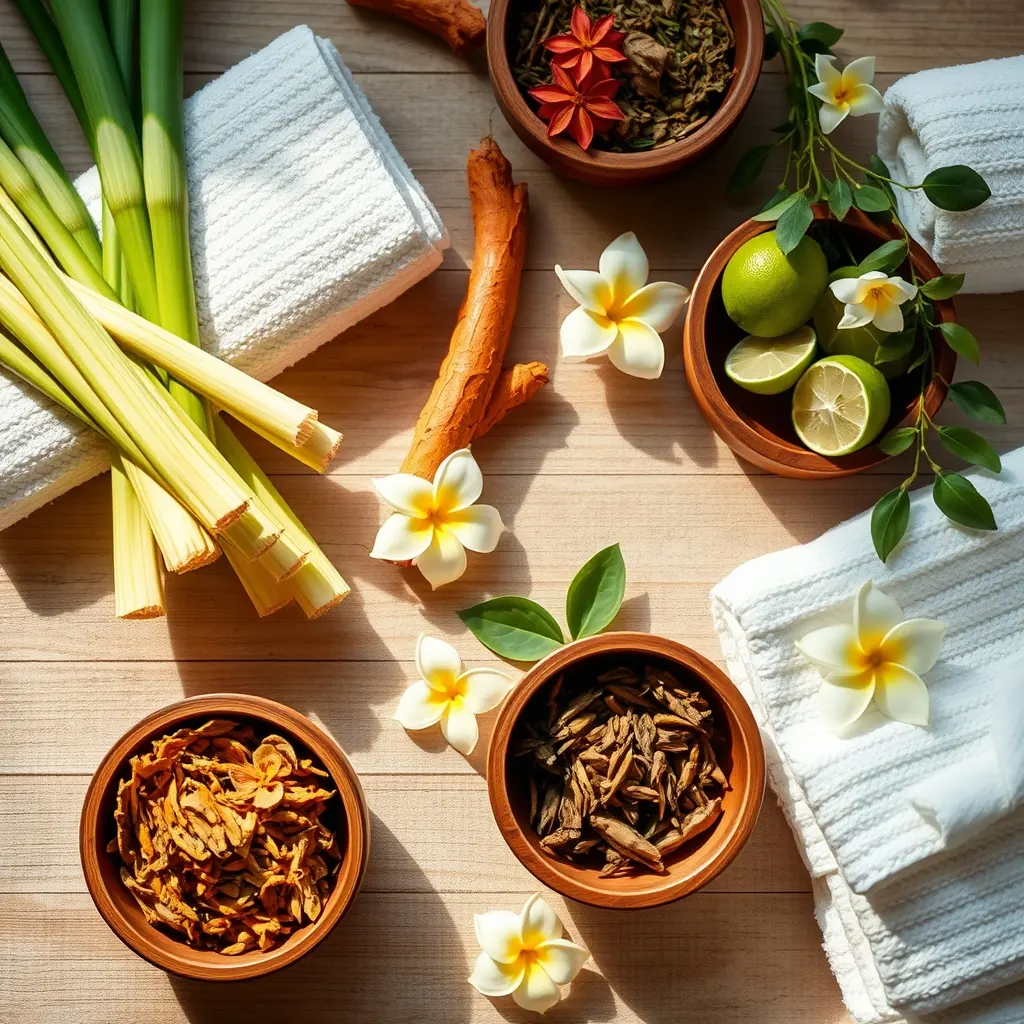
For trading companies, pharmacies, and beauty retailers across the UAE and wider GCC, Thailand has become a dependable source for cosmetics, wellness products, and household goods. But finding the right sourcing agent Thailand for GCC importers can rely on is often the hardest part of the process — the gap between a factory price list and a container landing in Jebel Ali is filled with questions about authenticity, documentation, and who actually speaks for you on the ground. This guide breaks down what a sourcing agent actually does, how to vet one, and what to expect when importing Thai products into the GCC.
Why GCC Importers Turn to Thailand
Thailand has a mature manufacturing base for cosmetics, personal care, herbal and wellness products, food, and household goods — categories that move steadily through pharmacies, beauty retailers, and general trading companies in the UAE, Saudi Arabia, and neighboring markets. Many well-known international brands (think Nivea, Pond's, Colgate, or Pantene) are also manufactured locally in Thailand alongside strong domestic names, giving importers a wide mix of recognizable and locally-loved brands in a single sourcing trip. For a trading company trying to diversify beyond a single supplier or category, that breadth matters.
What a Sourcing Agent Actually Does (and Doesn't)
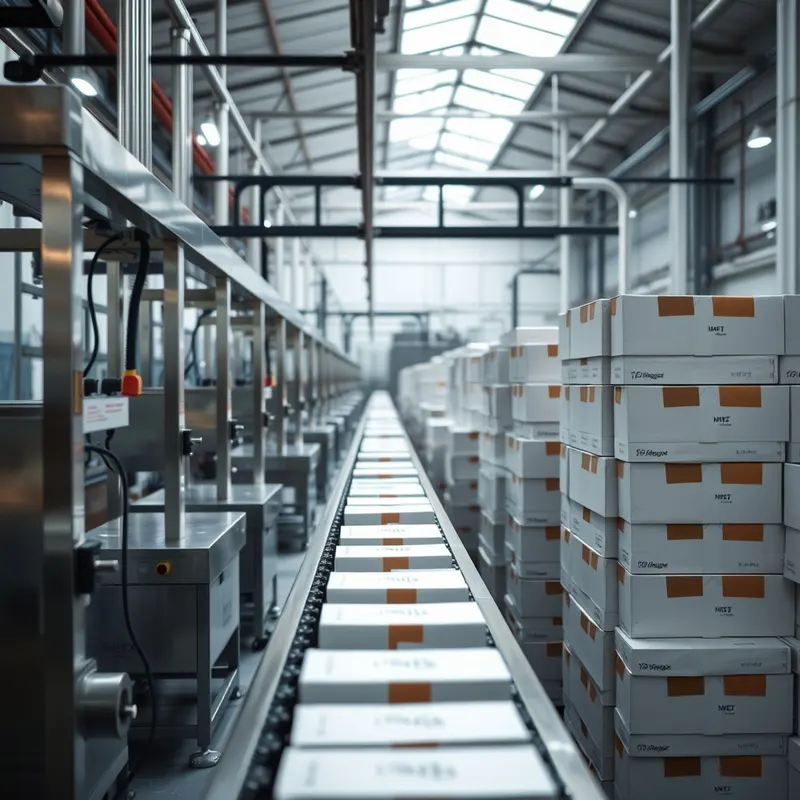
A sourcing agent in Thailand typically sits between you and the factories or authorized distributors — identifying suppliers, negotiating quantities and pricing, arranging samples, and coordinating export documentation. What a sourcing agent generally does not do is guarantee pricing without a quote, promise exclusivity, or commit to fixed delivery windows before an order is confirmed. Any serious partner will tell you that timelines, shipping terms, and paperwork are confirmed at the quotation stage, because they depend on the specific product, quantity, and destination port.
Working With a Distributor vs. a Pure Agent vs. Direct Factory Contact
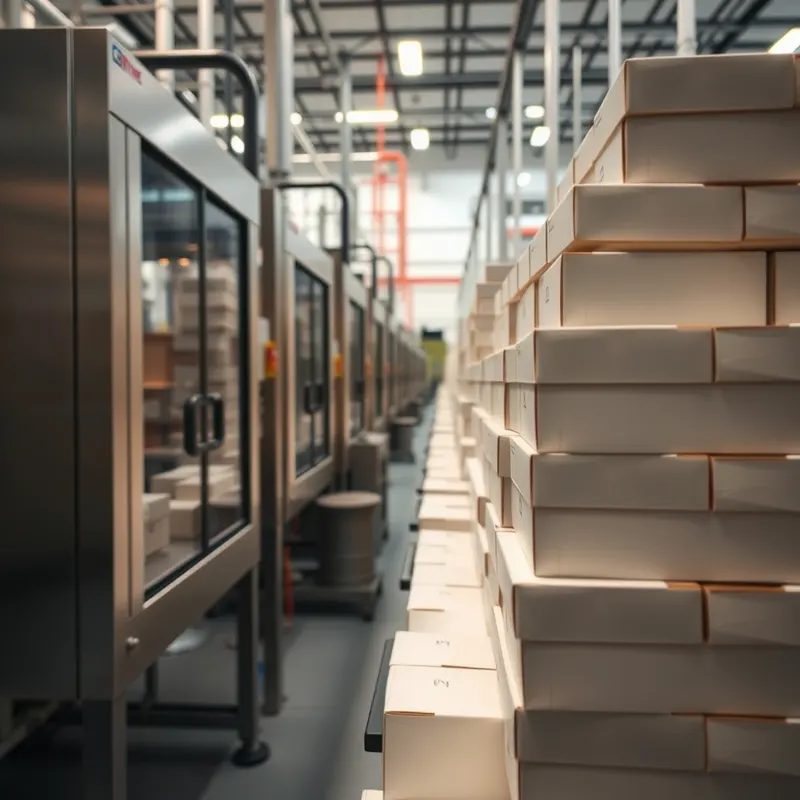
GCC importers generally have three paths into Thai products: going direct to factories, hiring an independent sourcing agent, or working with a distribution platform that already holds relationships with manufacturers and authorized distributors across categories like cosmetics, herbal products, health supplements, food, and home care. Each path has trade-offs. Direct factory contact can work well if you already know exactly which brand or SKU you want and have the language and logistics capability to manage it yourself. A platform model — where one team handles catalogue access, quotation, sampling, and export documentation for multiple categories — tends to suit importers who want to test several product lines before committing resources to a single supplier relationship. This is where a platform like ThaiNex (thainex.com), which works directly with Thai manufacturers and authorized distributors across cosmetics, herbal, health, food, and home categories, can simplify the first stage of sourcing for a GCC buyer.
Vetting a Sourcing Partner: Questions to Ask Before You Commit
Before sending a deposit or signing anything, ask a few direct questions: Can they show you where products come from — factory, authorized distributor, or open market? Will documentation and certificates be provided per shipment, or only in general terms? Do they have experience shipping to the UAE or wider GCC specifically, given the region's own import and labeling requirements? Can you request a sample before committing to volume? A credible partner will be upfront that certification and compliance documents are provided according to the specific product ordered, and will point you to check current import regulations with UAE customs or your local clearing agent rather than promising blanket compliance.
Categories Worth Exploring First
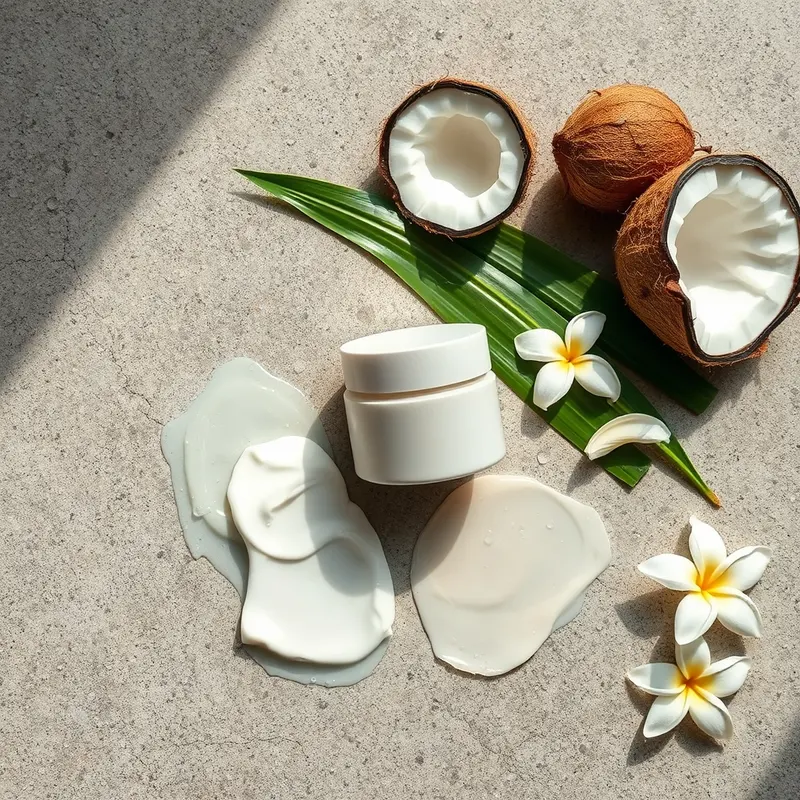
For many GCC trading companies, cosmetics and personal care are a natural entry point — skincare, body care, hair care, and sun care from Thai brands sit well alongside international names also manufactured in Thailand. Herbal and wellness products, including traditional balms and oils, have steady demand in pharmacies and specialty retail. Health supplements and ready-to-drink or packaged food items round out a diversified first order for importers who want to test multiple categories through one sourcing relationship rather than negotiating separately with several factories.
Beyond Resale: OEM and Private Label Options
Some GCC importers eventually move from reselling existing Thai brands to developing their own branded line, using Thailand's manufacturing capacity for formulation, packaging, and production. If that's a direction you're considering rather than straightforward distribution, an OEM/ODM-focused partner such as 5FINE (5fineglobal.com), which works with GMP-certified factories across Thailand, Korea, Japan, and Dubai, is worth a separate conversation — it's a different sourcing model from buying existing branded inventory.
Need expert support?
Leave your details and our team will get back to you.
FAQ
Frequently asked questions
Do I need a minimum order quantity to start working with a Thai sourcing agent?
This depends entirely on the product and supplier. Rather than a fixed number, expect quantity and pricing to be discussed once you specify which products and volumes you're interested in.
Can I get samples before placing a bulk order?
Sampling is generally possible and is a normal step before committing to volume, though availability and terms vary by product and manufacturer.
Will I receive certificates and export documents for customs clearance in the UAE?
Documentation is typically provided according to the specific item ordered. It's worth checking current import and labeling requirements with UAE customs or your clearing agent ahead of your first shipment.
What's the difference between buying from a sourcing agent and a distribution platform?
An independent agent usually sources per request, while a platform with an existing product database and distributor network can offer faster access to multiple categories under one quotation process.
Prepared by the ThaiNex team for informational purposes. Some links may lead to referred partners.
Articles
Related articles
Thai Cosmetics Minimum Order for Small Resellers: How It Works
The first question most Filipino resellers ask a Thai supplier is about the minimum order, and the first answer they get is usually a number that means nothing without context. The

Private Label Skincare from Thailand: A Buying Guide for PH Brand Owners
If you're building a beauty brand in the Philippines, sourcing private label skincare from Thailand is one of the most practical ways to launch without owning a factory. Thailand h
Thai Herbal Inhaler Supplier: A Buyer's Guide for Philippine Distributors and Resellers
If you're searching for a reliable Thai herbal inhaler supplier to stock in your pharmacy, convenience store, or online shop, you've probably noticed the category is crowded with s

Thai Products Supplier for Malaysia: A Sourcing Guide
Choosing a Thai products supplier for Malaysia looks simple because the two countries share a land border. That proximity hides the real decision
How to Import Thai Cosmetics to UAE: A Practical Guide for Importers
The UAE has become one of the most active hubs for beauty and wellness trade in the Middle East, and Thailand is a natural sourcing partner thanks to its mature manufacturing base

Thailand OEM Cosmetics for UAE Brands: A Buyer's Guide
UAE beauty entrepreneurs and trading companies increasingly look to Thailand for private-label production, and for good reason. The country's beauty manufacturing base is deep, cos