
Buying guide
Thai Products Supplier for Malaysia: A Sourcing Guide
Choosing a Thai products supplier for Malaysia looks simple because the two countries share a land border. That proximity hides the real decision
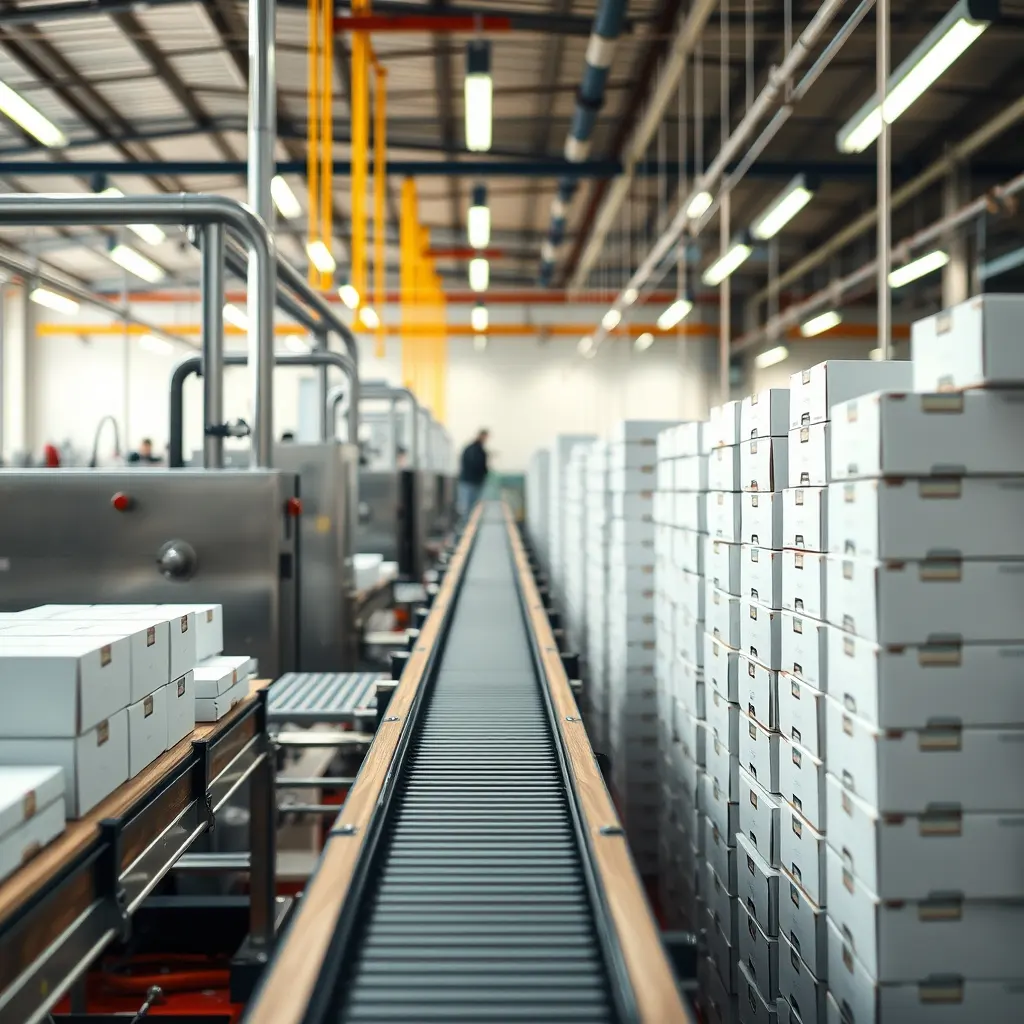
Choosing a Thai products supplier for Malaysia looks straightforward because the two countries share a land border and sit inside the same trade bloc. That proximity hides the decision that actually matters: which type of supplier you work with. Market traders, local wholesalers, official distributors and manufacturers give you very different pricing, documentation and consistency. This guide compares the routes, covers halal and regulatory considerations for the Malaysian market, and sets out how to evaluate a shortlist.
What Malaysian buyers typically source from Thailand
Demand from Malaysian importers, retailers and online sellers concentrates in a few categories, and knowing which ones behave well commercially saves a lot of trial and error.
**Cosmetics and personal care.** The largest category by far. Skincare, body care, hair care, colour cosmetics and sun care, with strong recognition for several Thai labels in the region. This is also the category with the most regulatory work on the Malaysian side.
**Herbal and traditional wellness.** Inhalers, balms, liniments and herbal oils. Thailand has genuine depth here, and products in this group travel well because they are light, shelf-stable and sell repeatedly. Thai massage oil and balm lines in particular have an established following in the region.
**Health supplements and functional drinks.** Collagen products, vitamins and functional beverages. Thai collagen supplements are a recurring request from Malaysian retail and online sellers, and they sit in a regulated category that needs careful documentation.
**Food and beverage.** Snacks, dried fruit, instant noodles, sauces and seasonings, tea and coffee. Thai dried fruit and snack lines are reliable volume movers for grocery and gift channels.
**Home and household care.** Fabric softeners, detergents, air care and cleaning products, where Thai formulations and scents have a distinct regional appeal.
For a first order, the usual advice holds: choose fewer SKUs in larger quantities from one or two categories rather than a wide sample of everything. One category lets you learn the paperwork once rather than five times.
Four supply routes, compared honestly
The route you choose determines your cost structure, your documentation and how repeatable your supply is.
**Bangkok wholesale markets.** You buy in person, pick from enormous variety and pay low prices for small quantities. Good for testing what sells. The trade-offs are real: limited or no export documentation, inconsistency between purchases, and no practical recourse if a batch differs from the last one.
**Malaysian importers and local wholesalers.** The simplest route. Someone else has already handled import, documentation and local compliance, and you buy in ringgit with local terms. You pay for that convenience in margin, and your range is limited to what they choose to carry.
**Official Thai distributors and sourcing platforms.** You buy from a Thailand-based company that works directly with manufacturers and official brand distributors, and that is set up to export. Pricing sits between the two routes above, documentation is prepared per item at the point of order, and the same specification can be reordered. This is the route most buyers move to once a category proves itself.
**Direct from manufacturers, including OEM.** Relevant when you want your own label rather than an existing brand. You gain control of formula, packaging and positioning, and you take on development work and regulatory responsibility. Buyers exploring private label for the Malaysian market usually start with one product category, often OEM skincare or a herbal line, rather than a full range.
Many established importers run two routes in parallel: branded goods through a distributor for predictable turnover, and a private label line for margin.
Halal: plan it before you choose products
For most Malaysian channels, halal status is not a marketing refinement. It determines which retailers will list you and which consumers will consider you, so it belongs at the start of the sourcing conversation rather than the end.
Some practical points to work through with any supplier:
- **Certification is product-specific and scheme-specific.** A certificate held by a manufacturer for one product does not automatically extend to every item in its catalogue, and recognition of foreign certification bodies is decided by the Malaysian authorities rather than by the exporter.
- **Ingredients and processing both matter.** Animal-derived ingredients, alcohol in formulations, gelatin in supplement capsules and shared production lines are all questions worth asking explicitly.
- **Ask what documentation exists, not whether something is halal.** Request the certificate, the issuing body, the products and the validity period, and keep copies.
- **Confirm recognition on the Malaysian side.** Whether a particular foreign certification is accepted for your intended use is a question for the relevant Malaysian authority, not for your supplier, and requirements are revised from time to time.
Thailand has a long-established base for herbal and personal care products prepared with halal-conscious supply chains, which is one reason Thai goods perform well in Muslim-majority markets. That said, treat it as something to verify item by item rather than assume as a national characteristic.
If halal listing is central to your plan, raise it in your very first enquiry. It can rule categories, formulas or suppliers in or out before you spend time on pricing.
Documentation and regulatory work on the Malaysian side
This is where most first-time importers underestimate the workload, and where the difference between supplier routes becomes concrete.
In general terms, and treating all of the following as reference to verify rather than as advice:
- **Cosmetics and personal care** entering Malaysia are handled through a notification system administered by the national pharmaceutical regulator under the Ministry of Health, with the notification held in the name of a responsible local company. Food products, supplements and products making health-related claims fall under their own regimes.
- **Labelling** requirements, including language and mandatory particulars, are set locally and need to be planned before you print anything.
- **Tariff treatment** between ASEAN members can be preferential where origin rules are met and the correct certificate of origin accompanies the shipment. Classification and eligibility should be confirmed by a licensed forwarding agent.
- **Claims** can move a product into a stricter category regardless of what the supplier calls it.
Two things to establish with any supplier before you order. First, exactly which documents they issue — commercial invoice, packing list, origin documentation and product-specific paperwork are normally prepared per item at the point of order, so get the list in writing for your specific SKUs. Second, who holds the local notification or registration, because that responsibility sits with a Malaysian entity, not with the exporter.
Rules, categories and procedures change. Confirm the current position with the relevant Malaysian authorities or a licensed consultant and forwarding agent before you commit to stock or to a launch plan.
Logistics: the advantage of a land border, and its conditions
Malaysia is one of the easier destinations to serve from Thailand, and the routing options are genuinely different from those facing a buyer in the Gulf or Europe.
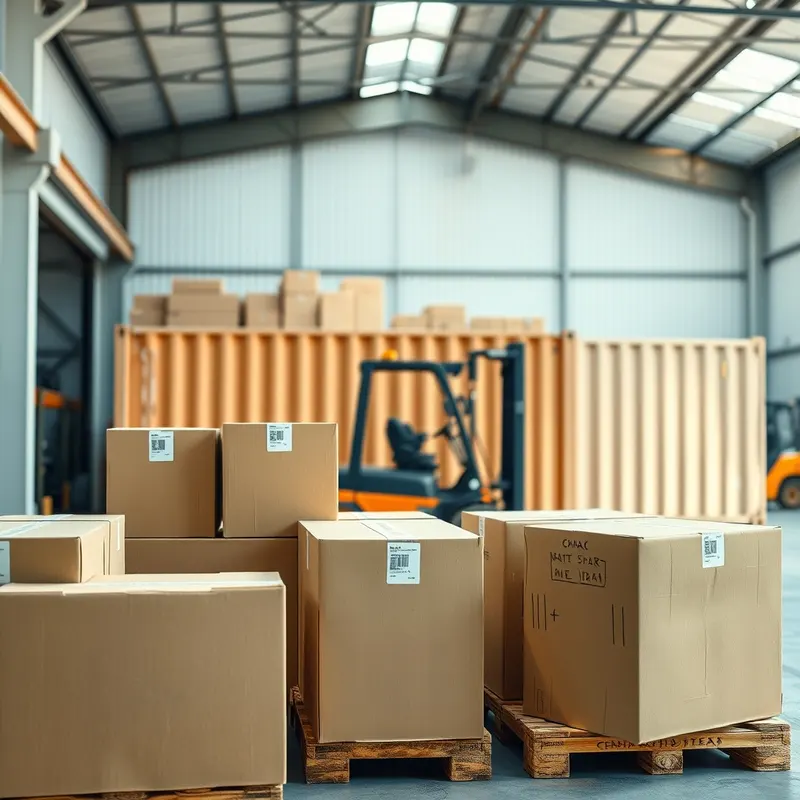
**Road freight** through southern Thailand is the workhorse for consumer goods. It suits palletised, mixed-SKU consignments, and it is generally faster than sea for this lane. Full-truck and consolidated options exist, and consolidation is usually how smaller importers get started.
**Sea freight** makes sense for heavy, bulky or high-volume cargo, with full-container and less-than-container options. Cost per unit drops significantly at container scale.
**Air freight** is for urgent or high-value items only, and rarely economic for consumer goods.
Things that actually determine your cost:
- **Volumetric weight.** Light but bulky goods — household plastics, packaged snacks — are usually charged on space, not weight.
- **Pallet efficiency.** Carton dimensions decide how many units fit a pallet, so ask for carton size, units per carton and cartons per pallet in writing.
- **Temperature exposure.** Creams, balms and anything wax-based travel through a hot lane. Discuss packing with your supplier rather than assuming.
- **Documentation readiness.** Most delays on this route are paperwork, not transport.
Timing, routing and conditions vary by product and destination and are confirmed at the quotation stage, so build your plan on the quotation you actually hold rather than on general timelines.
How to evaluate a supplier and build a landed-cost view
Judge candidates on evidence, and compare them on the same basis.
**Verification questions**
1. What type of company is this — manufacturer, official distributor, trading company or exporter? Each is legitimate; what matters is that it is stated accurately. 2. Is there a registered legal entity, a verifiable address and a business email on its own domain? 3. For branded goods, what is the relationship to the brand owner or its official distributor? 4. Which documents are issued with a shipment, for your specific items? 5. Can they supply the same specification again on a repeat order? 6. Is there a written procedure if a delivery does not match the agreed specification? 7. Who is your named contact, and in which languages can they work?
**Then build the landed cost.** Compare total delivered cost per sellable unit, not the ex-works price. Include freight, insurance, duty and taxes, agent and handling fees, local transport, the cost of money tied up in transit, and expected damage or shrinkage. Exclude retained and regulatory samples from your sellable count — leaving them in flatters your margin.
**Start deliberately.** A first order should be large enough to be commercially meaningful and small enough that a mistake is affordable. Agree the specification in writing, including pack size, carton configuration and labelling, then reorder the same items before widening the range.
Finally, be realistic about what any supplier can promise. Lead times, availability and documentation depend on the product and the destination and are confirmed when a quotation is issued. A supplier who tells you that plainly is usually more reliable than one who guarantees everything up front.
Need expert support?
Leave your details and our team will get back to you.
FAQ
Frequently asked questions
Is it cheaper to buy from Bangkok markets or from a Thai distributor?
Markets usually show a lower sticker price for small quantities, which is why they suit testing. A distributor route tends to win once you compare total landed cost per sellable unit, because you get export documentation prepared per item, consistent specification on repeat orders, and fewer rejected units. Compare on delivered cost per sellable unit rather than on unit price alone.
Do I need halal certification to sell Thai products in Malaysia?
It depends on your channel and your target customer, but for many Malaysian retailers and consumers it is decisive. Certification is product-specific, and whether a particular foreign certifying body is recognised is determined by the Malaysian authorities. Ask suppliers for the actual certificate, issuing body and validity, and confirm recognition locally before you build a listing plan around it.
Who is responsible for product notification in Malaysia?
Local notification or registration is held by a Malaysian entity, so it sits with you or an appointed local party rather than with the Thai exporter. The supplier normally provides supporting and origin documentation per item. Requirements and procedures are revised periodically, so confirm the current position with the relevant Malaysian authority or a licensed consultant.
Can I get exclusive distribution rights for Malaysia?
Exclusivity is normally considered on the basis of demonstrated sales performance over time rather than granted at the first enquiry, and that is true across most supply relationships. A more realistic starting point is an agreed channel or territory focus for an initial period, reviewed once there is actual sales data from both sides to look at.
What documents come with a shipment from Thailand?
Commercial documents such as the invoice and packing list are standard, and origin and product-specific documentation is normally prepared according to the items ordered and the destination. Because the list varies by product, get it confirmed in writing for your specific SKUs at the quotation stage, and have your forwarding agent check it against current Malaysian import requirements.
Prepared by the ThaiNex team for informational purposes. Some links may lead to referred partners.
Articles
Related articles

Private label mỹ phẩm Thái: 6 quyết định trước khi bắt đầu
Làm private label mỹ phẩm Thái không bắt đầu từ việc chọn nhà máy, mà từ sáu quyết định quyết định toàn bộ chi phí và lộ trình của bạn

Sỉ Sữa Tắm Thái Lan: Hướng Dẫn Nhập Hàng Cho Nhà Phân Phối & Người Bán Online
Sữa tắm Thái Lan đang là một trong những nhóm hàng được nhiều nhà nhập khẩu và người bán online tại Việt Nam tìm nguồn, nhờ đa dạng mùi hương, công thức từ thảo dược và giá thành c
Thai vs Korean Skincare for Reselling: A Seller's Comparison
Comparing Thai vs Korean skincare for reselling is less about which is better and more about which one fits your channel, your capital and your customer.