
Guide
How to Source Products from Thailand for Dubai Retail: A Practical Guide
Dubai's retail shelves — from pharmacy chains to beauty boutiques and independent trading stores — increasingly feature products made in Thailand, and for good reason. Thailand has
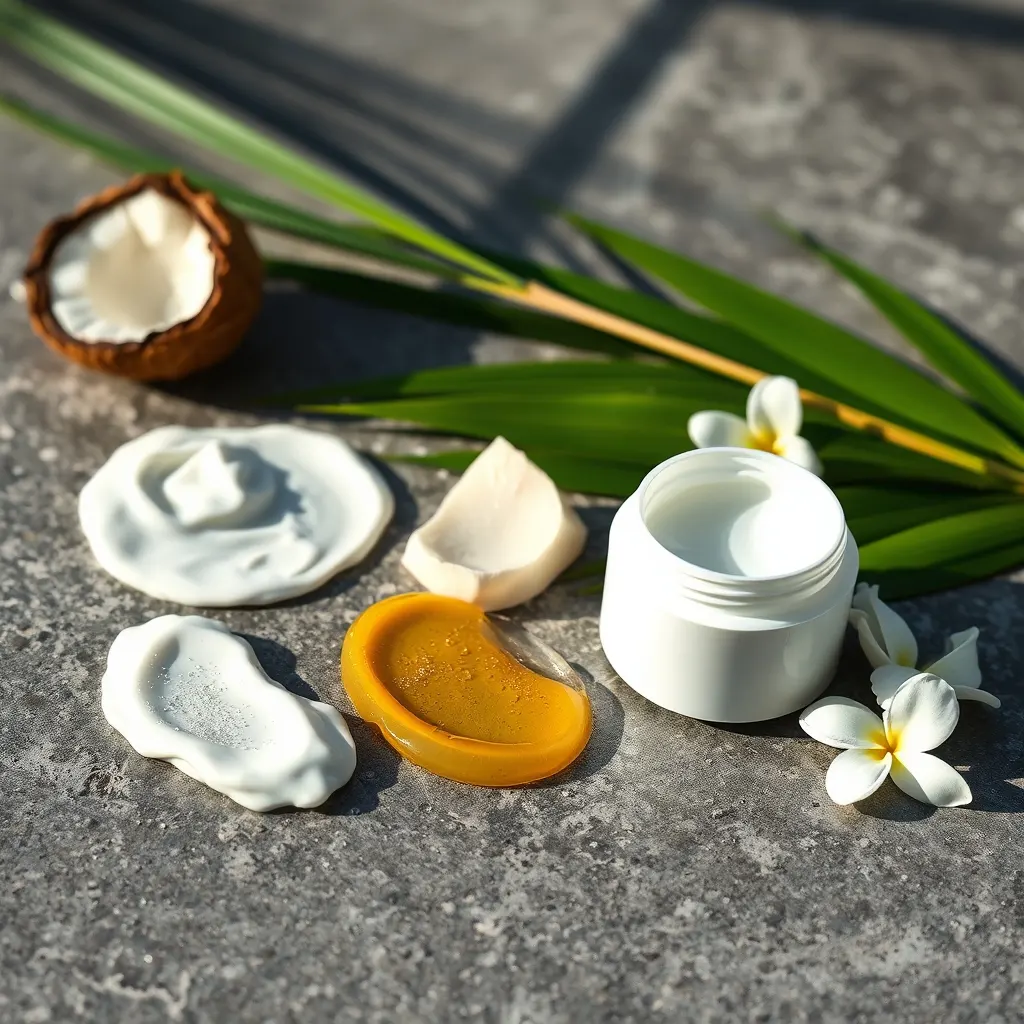
Dubai's retail shelves — from pharmacy chains to beauty boutiques and independent trading stores — increasingly feature products made in Thailand, and for good reason. Thailand has a mature manufacturing base in cosmetics, personal care, wellness and food, with export experience across the Gulf. But sourcing from Thailand for the UAE market isn't just about finding a supplier willing to ship — it's about choosing the right sourcing model, understanding documentation expectations, and building a catalogue that fits Dubai's retail mix. This guide walks through the practical steps importers and trading companies in the UAE typically go through when building a Thai product pipeline.
Why Dubai Retailers Are Looking at Thailand
Thailand has long been a regional hub for beauty, personal care and wellness manufacturing, with a product range that spans mass-market and premium segments. For UAE retailers, this translates into access to Thai cosmetics and Thai skincare lines with established brand recognition among residents and tourists familiar with Southeast Asian beauty trends, as well as categories like Thai herbal products and Thai aromatherapy oils that align well with the region's growing interest in wellness and spa retail. Trading companies also look at Thailand for diversification — adding a distinct, well-positioned origin to a portfolio that may already include products from China, India or Europe.
Decide What You're Actually Sourcing: Resale vs Private Label
The first strategic decision is whether you want to import and resell existing Thai brands, or develop your own brand through contract manufacturing. Buying Thai products wholesale — established lines in skincare, Thai shampoo, haircare, or Thai makeup brands — is the faster route to market: you're working with recognizable products, existing packaging and formulations, and you can start testing demand with a smaller catalogue. Private label, on the other hand, means partnering with a Thai manufacturer to develop a product under your own brand name, which gives more control over positioning and margins but takes longer to set up. Many retailers in Dubai start with wholesale resale to understand which categories perform, then move into private label for their best-selling segments once demand is proven.
Choosing a Sourcing Route: Factories, Trading Companies or Distribution Platforms
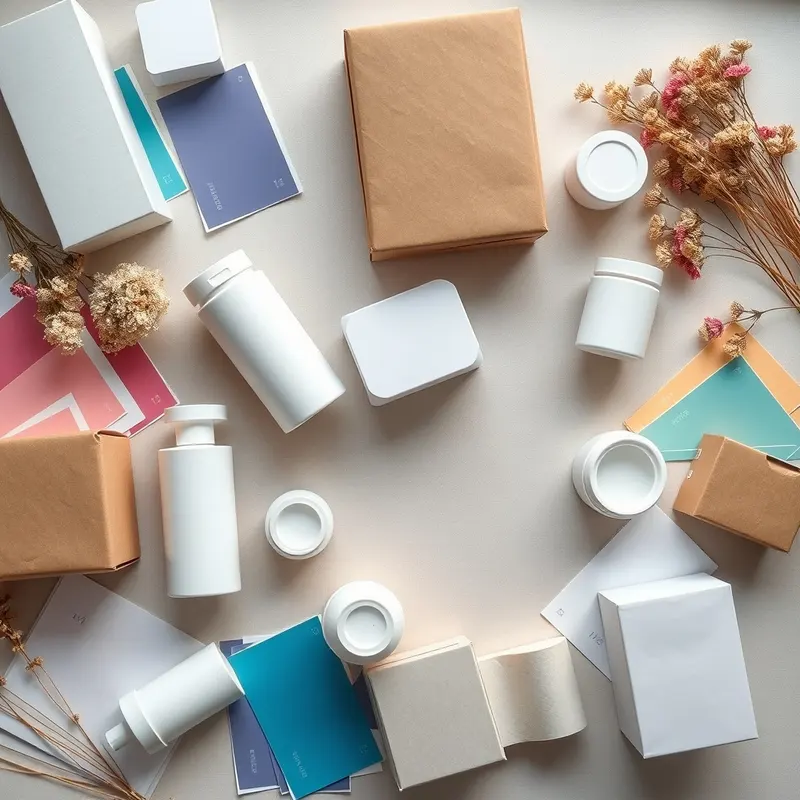
There are generally three ways to source from Thailand. Going directly to factories can offer more customization, particularly useful for OEM skincare or herbal formulations, but requires time to identify and vet manufacturers, verify product authenticity, and manage communication across language and business-culture differences. Local Thai trading companies or export agents can bridge some of this gap, though quality and reliability vary. A third option is working with a distribution partner that already has relationships across multiple categories — cosmetics, herbal, food, home care — which can simplify sourcing when you want a multi-category catalogue rather than a single product line. Platforms like ThaiNex work with manufacturers and official distributors across these categories, which can be a practical starting point if you're building a varied retail assortment rather than sourcing one SKU at a time.
Documentation and Compliance for the UAE Market
Importing into the UAE involves product registration and labeling requirements that vary by category — cosmetics, food and health products each follow different pathways through UAE authorities. As a general rule, documentation and certificates should be requested per product at the time of ordering, since not every SKU carries the same paperwork, and requirements can shift depending on your specific product category and import structure. It's advisable to check directly with your customs broker or the relevant UAE regulatory authority early in the process, rather than assuming a supplier's home-market certification automatically satisfies Gulf requirements. Building this step into your sourcing timeline from the start avoids delays once containers are already in transit.
Building a Balanced Category Mix for Dubai Shelves
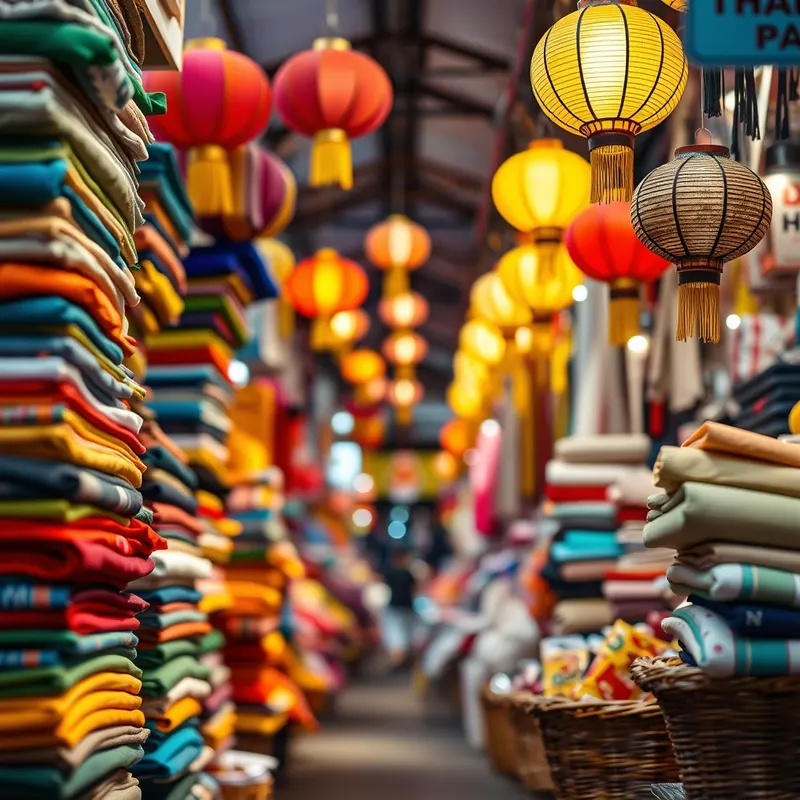
Successful Thai product ranges in Dubai retail tend to combine a few anchor categories rather than spreading thin across everything. Cosmetics and personal care — Thai skincare, Thai shampoo, Thai makeup brands — typically form the core of a beauty-focused assortment. Wellness-oriented retailers often add herbal balm, Thai massage oil and Thai aromatherapy oils, which fit naturally into spa, pharmacy and gift retail. Food-focused importers may look at Thai snacks, Thai beverages and Thai sauces and seasonings for grocery and specialty food channels. Rather than importing everything at once, many retailers pilot two or three categories, gauge sell-through, and expand the range based on actual customer response.
Sampling, Ordering and Scaling the Relationship
Before committing to a full order, most UAE buyers request samples to check formulation, packaging and shelf appeal for the local market — climate, labeling language preferences, and price positioning all matter here. Once a category is validated, orders typically move from a trial quantity to larger, recurring volumes as sell-through data builds confidence. Pricing, minimum quantities and delivery timelines are generally confirmed at the quotation stage, since they depend on the specific products, order size and destination port. If your longer-term plan includes developing a Dubai-specific private label rather than only reselling existing brands, it's worth exploring OEM/ODM arrangements with Thai manufacturers early, since formulation and packaging development can take considerably longer than sourcing ready-made goods — a route partners like 5fineglobal.com specialize in for beauty and wellness private label projects.
Need expert support?
Leave your details and our team will get back to you.
FAQ
Frequently asked questions
Is it better to import Thai products through a factory directly or through a distributor?
It depends on your goals. Direct factory sourcing can offer more customization and is often used for OEM skincare or private label development, but requires more time for vetting and communication. A distribution partner with existing relationships across categories can simplify things if you want a multi-category catalogue without managing multiple factory relationships individually.
What documentation should I expect when importing Thai cosmetics or herbal products into Dubai?
Documentation varies by product category and is generally provided per item at the time of ordering rather than as a blanket certification. It's recommended to confirm specific requirements with your customs broker or the relevant UAE authority before placing a full order, since regulations can differ between cosmetics, food and health products.
Can I start with a small trial order before committing to a larger shipment?
Many importers do start with samples or smaller trial quantities to test product fit, packaging and local demand before scaling up. Exact quantities, pricing and timelines are usually confirmed during the quotation stage based on the specific products and destination.
Which Thai product categories work best for Dubai retail?
Beauty and personal care — skincare, shampoo and makeup — are common anchor categories, often paired with wellness products like herbal balms and massage or aromatherapy oils for spa and pharmacy channels. Food items such as snacks, beverages and sauces fit specialty grocery retail. The right mix depends on your store format and target customer.
Prepared by the ThaiNex team for informational purposes. Some links may lead to referred partners.
Articles
Related articles

Thai Whitening Lotion Wholesale: A Buyer's Guide for Philippine Resellers and Distributors
Thai whitening lotion has a loyal following across the Philippines, from Shopee resellers to drugstore chains looking to diversify their beauty shelves. But sourcing it wholesale i

Thai Skincare Distributor India: A Buyer's Sourcing Guide
Searching for a Thai skincare distributor for India surfaces three very different kinds of company, and choosing the wrong kind costs months

Tiger Balm Wholesale Supplier: A Buyer's Guide for UAE Importers
Choosing a tiger balm wholesale supplier is less about price per jar and more about variant control, documentation and how the category is classified in your market.

Shipping From Thailand to Vietnam: Routes, Documents and Costs
Shipping from Thailand to Vietnam looks simple on a map: the two countries are neighbours by road through Laos or Cambodia and a short sea voyage apart. In practice, the route you
Thai Herbal Inhaler Supplier: A Buyer's Guide for Philippine Distributors and Resellers
If you're searching for a reliable Thai herbal inhaler supplier to stock in your pharmacy, convenience store, or online shop, you've probably noticed the category is crowded with s

How to Spot Fake Thai Cosmetics: A Buyer's Verification Guide
Knowing how to spot fake Thai cosmetics matters most to the people who buy in quantity, because a reseller or distributor carries the