
Guide
Shipping From Thailand to Vietnam: Routes, Documents and Costs
Shipping from Thailand to Vietnam looks simple on a map: the two countries are neighbours by road through Laos or Cambodia and a short sea voyage apart. In practice, the route you

Shipping from Thailand to Vietnam looks simple on a map: the two countries are neighbours by road through Laos or Cambodia and a short sea voyage apart. In practice, the route you choose is decided less by distance than by what you are shipping and which documents you can produce at the border. This guide walks importers, distributors and online sellers through the three main routes, the paperwork that makes an official import possible, the category-specific details for Thai consumer goods and the way to build a landed cost that does not surprise you later.
The three routes: road, sea and air, and when each makes sense
Goods move from Thailand to Vietnam by three practical routes, and each has a natural fit.
- **Road through Laos or Cambodia**: trucks leave Bangkok and cross into Vietnam through land border gates, typically arriving in the central or southern provinces before moving on to Hanoi or Ho Chi Minh City. Road is the workhorse for consumer goods: cosmetics, snacks, household products and mixed cartons. It is faster than sea for most shipments and handles partial loads well. Transit depends on border processing and the forwarder's schedule, so ask for the current estimate rather than relying on figures seen online.
- **Sea freight**: from Laem Chabang or Bangkok port to Hai Phong in the north or Cat Lai in the south. Full containers of heavy or bulky goods, such as Thai beverages, detergents and rice, usually travel this way because the cost per kilogram is lowest. Less-than-container shipments are possible but add handling at both ends.
- **Air freight**: for urgent, high-value or low-weight goods, samples and launch stock. Highest cost per kilogram, simplest for small trial orders, and fast enough that stock can arrive before a campaign starts.
The decision is rarely about one factor. A distributor launching a Thai skincare range in Vietnam might send the first samples by air, the launch stock by road and, once volumes grow, switch to sea for the bulk items while keeping road for fast replenishment. A good freight forwarder will quote all three and explain the trade-offs for your specific cargo; timing and conditions are confirmed at quotation, since they vary with product and destination.
Official channels versus informal channels: documents decide the route
Vietnamese importers talk about two kinds of shipping: chính ngạch, the official channel with full customs declaration, and tiểu ngạch, informal cross-border trade where goods move with little or no paperwork. For a business that plans to sell under its own name, list products on major marketplaces or supply retailers, the official channel is the only durable choice.
The practical reasons:
- **Legal sale**: imported cosmetics, food and supplements need regulatory notifications in Vietnam that are tied to import documents. Goods that entered informally cannot be matched to those notifications.
- **Marketplace compliance**: large platforms increasingly ask for proof of origin and import documents for branded goods.
- **Risk of seizure**: informal shipments can be held at the border, and there is no recourse.
- **Accounting**: official imports generate the invoices and tax documents a registered business needs.
The official route requires that the Thai supplier can provide export documents in the company's registered name. This is where the choice of supplier matters: buying from a licensed distributor or directly from a manufacturer means the commercial invoice, packing list and product documents exist and are consistent. Documents are provided per item when you order, so ask the supplier which items come with which documents before you commit.
Informal shipping is tempting for a first test because it feels cheaper and faster. The hidden cost is that it teaches you nothing about the real landed cost of an official import, and the business built on it cannot scale. Treat the first official shipment as an investment in the process, even if the quantity is modest.
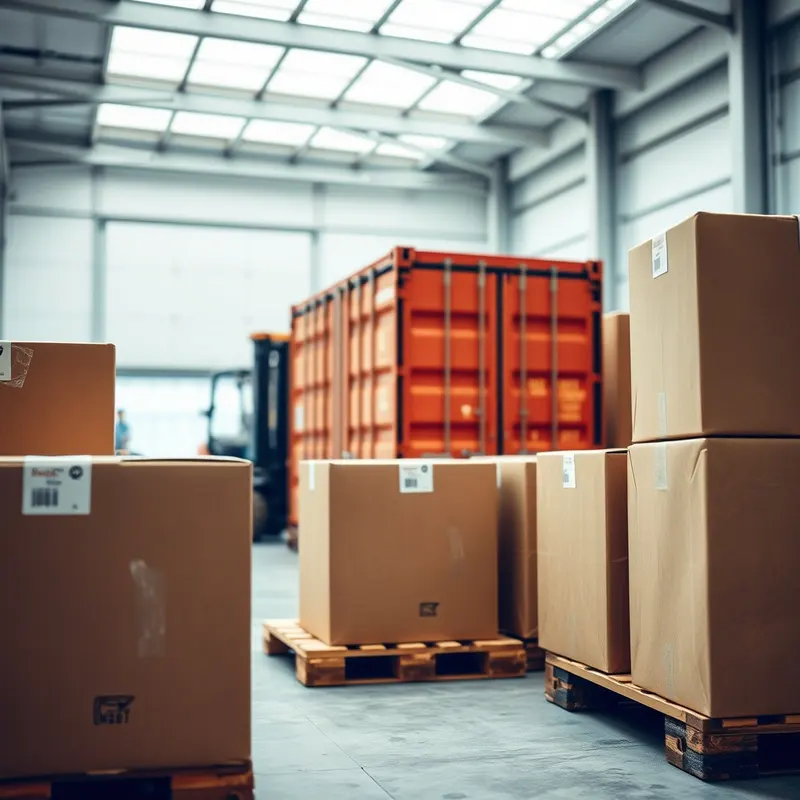
Documents for a Vietnam-bound shipment
The document set for an official import from Thailand to Vietnam combines standard export paperwork with category-specific requirements. Rules are updated from time to time, so confirm the current list with your customs broker in Vietnam before shipping; the outline below is a reference, not legal advice.
- **Commercial invoice and packing list**: issued by the Thai exporter, with product descriptions, HS codes, quantities, unit prices, incoterm, and cartons, weights and dimensions. Descriptions must match the goods and the labels.
- **Certificate of origin, ASEAN Form D**: issued in Thailand, this allows goods that meet ASEAN origin rules to claim preferential duty under the ATIGA agreement. Many Thai consumer goods qualify, which can reduce import duty significantly, but the form must be issued correctly and presented at clearance.
- **Transport document**: bill of lading for sea, air waybill for air, or the forwarder's cargo receipt for road.
- **Product-specific documents for Vietnam**: imported cosmetics require a product notification with the Drug Administration of Vietnam before sale, which the Vietnamese importer files using documents from the manufacturer such as a certificate of free sale and a letter of authorisation. Food and supplements have their own self-declaration or registration regimes under the relevant ministries. Vietnamese sub-labels are mandatory on imported consumer goods.
- **Supplier legitimacy documents**: company registration of the Thai exporter, which your broker may request.
Two practical habits save the most trouble. First, request draft documents before the goods leave Thailand and check every field against the order and the labels. Second, keep a single file per shipment with the documents, the customs declaration and the regulatory notifications, because audits can come long after clearance.
Category-specific points for Thai consumer goods
Thai products that sell well in Vietnam span several regulatory and logistics categories, and each has details worth knowing before you book freight.
- **Cosmetics and skincare**: the most popular category. Road freight suits mixed cartons. Pay attention to temperature in transit for products with sensitive actives, and remember that each product needs its Vietnamese notification before sale, filed by the importer with documents from the manufacturer.
- **Thai herbal products**: balms, inhalers and herbal oils are a Vietnamese favourite. Depending on composition and claims, some items may be classified differently from ordinary cosmetics, which changes the import regime. Confirm classification per item with your broker before shipping.
- **Thai supplements**: collagen, vitamins and functional drinks fall under food supplement rules in Vietnam, with their own declaration process and label requirements. Shelf life matters: plan shipping so that products arrive with enough remaining shelf life for distribution.
- **Thai beverages and food**: heavy, often in glass or cans, so sea freight for full loads and road for smaller orders. Food safety inspection may apply on arrival. Check whether your items need import inspection or quarantine procedures.
- **Thai laundry detergent and household products**: bulky and liquid. Freight cost is driven by volume and weight rather than value, so container loading efficiency matters. Some household chemicals need safety data sheets for transport.
- **Hazardous or restricted items**: aerosols, perfumes with high alcohol content and certain chemicals may be classed as dangerous goods for air or sea, which changes carriers and packaging.
When a shipment mixes categories, the slowest and most document-heavy category sets the pace for the whole consignment. Consider splitting shipments by regulatory category if one group of items is ready and another is still waiting for notification.

Building the landed cost before you order
A unit price in Bangkok is only the starting point. The number that decides whether a product works in Vietnam is the landed cost per unit, and it is built from lines that first-time importers often leave out.
- **Product cost**: the supplier's price at the agreed incoterm. Ex-works and FOB prices exclude parts of the freight that CIF includes, so compare on the same basis.
- **Inland transport in Thailand**: from the supplier's warehouse to the port, airport or forwarder's consolidation point.
- **International freight**: road, sea or air, including fuel and security surcharges where applicable.
- **Insurance**: cheap relative to the cargo value; worth it for anything you cannot afford to lose.
- **Import duty**: based on the HS code and the customs value; preferential rates under Form D where the goods qualify.
- **Value-added tax**: applied on the duty-paid value at import.
- **Customs brokerage and port or border fees**: handling, documentation, inspection where applicable.
- **Regulatory costs**: notification fees, consultant fees, translation and legalisation of documents, and the cost of printing Vietnamese sub-labels.
- **Domestic delivery and warehousing in Vietnam**.
- **Loss and damage allowance**: breakage, short shipment and expiry write-offs.
Build this as a spreadsheet per SKU and run it before you negotiate, not after. It will show you which products carry freight well, which are too heavy relative to their value, and where a better incoterm or a different route changes the answer. Prices and conditions depend on product and quantity, and a supplier's trade team will advise on documents and packing when quoting, so share your cost model's assumptions with them. Importers who work this way make fewer, better orders.
Common mistakes and how to plan the first shipment
The errors below come up again and again with businesses new to importing Thai goods into Vietnam. Each is avoidable with a little sequencing.
- **Shipping before regulatory notification**: the goods arrive, the cosmetics notification is still pending, and stock sits in a warehouse while shelf life runs down. Start the notification process first and ship when it is close to complete.
- **Mismatched documents**: the product name on the invoice differs from the label, or the Form D lists a different exporter. Review drafts before departure.
- **Buying from sellers who cannot issue documents**: informal market purchases cannot become official imports. Choose suppliers that provide documents per item from the start.
- **Forgetting the sub-label**: Vietnamese labels must be applied before sale, and planning them late delays the launch.
- **Choosing a route by price alone**: the cheapest freight quote may exclude border handling, or may be a route unsuitable for your product category.
- **One giant first order**: a large shipment multiplies every mistake. A moderate first consignment through the official channel teaches you the real timing and cost.
- **No retained sample or inspection**: without a reference sample and an arrival inspection, quality disputes cannot be resolved.
A sensible plan for a first shipment: select a short list of products with documents available, confirm classification and notification steps with a Vietnamese broker, request draft export documents, book the route that fits the category, insure the cargo and inspect on arrival. A distributor such as ThaiNex, which works with Vietnamese importers across cosmetics, herbal, food and household categories, can advise on which items in a catalogue come with the documents an official import needs; whichever supplier you use, the sequence above is what keeps the first shipment on track.
Need expert support?
Leave your details and our team will get back to you.
FAQ
Frequently asked questions
Which is the best way to ship from Thailand to Vietnam for a small first order?
For a modest first order of mixed consumer goods, road freight through a forwarder that consolidates cartons is usually the practical middle ground between the cost of air and the volume requirements of sea. Air makes sense for samples and urgent launch stock. Whichever you choose, ship through the official channel with full documents so the order can be sold legally and the process can be repeated.
Do Thai products get reduced import duty in Vietnam?
Many do. Under the ASEAN Trade in Goods Agreement, goods that meet ASEAN origin rules and are accompanied by a correctly issued Certificate of Origin Form D can qualify for preferential duty rates at Vietnamese customs. Eligibility depends on the product and its origin status, so confirm with your customs broker and make sure the exporter can obtain the Form D before you rely on the lower rate.
What documents does the Thai supplier need to provide for cosmetics?
Beyond the commercial invoice, packing list and certificate of origin, the Vietnamese importer typically needs manufacturer documents such as a certificate of free sale and a letter of authorisation to file the cosmetic product notification in Vietnam. These documents are provided per item when you order, so ask your supplier which products in the catalogue come with them and plan the notification before shipping.
How is the landed cost of Thai goods in Vietnam calculated?
Add the product price at the agreed incoterm, inland transport in Thailand, international freight, insurance, import duty based on the HS code, value-added tax, brokerage and border fees, regulatory and labelling costs, domestic delivery and an allowance for loss or expiry. Build the calculation per SKU before negotiating, and ask your supplier and broker to confirm the assumptions for your specific products and route.
Prepared by the ThaiNex team for informational purposes. Some links may lead to referred partners.
Articles
Related articles

Sourcing from Thailand: A Practical Guide for Importers and Distributors
Thailand has become one of the most reliable sourcing hubs in Southeast Asia, thanks to its mature manufacturing base in cosmetics, food, wellness, and household goods. But sourcin

Murang Thai Skincare Wholesale: Gabay sa Pag-source
Ang mura sa wholesale ay landed cost, hindi unit price. Gabay sa mga sourcing channel, pagsuri ng supplier, dokumento, kategorya at pagpepresyo para sa PH buyers.

Thai Whitening Lotion Wholesale: A Buyer's Guide for Philippine Resellers and Distributors
Thai whitening lotion has a loyal following across the Philippines, from Shopee resellers to drugstore chains looking to diversify their beauty shelves. But sourcing it wholesale i