
Importing Thai Cosmetics: A Sourcing, Documentation & Landed Cost Guide for Vietnamese Importers
A practical guide for Vietnamese importers on sourcing Thai cosmetics: choosing suppliers, understanding export documents, and calculating true landed cost.
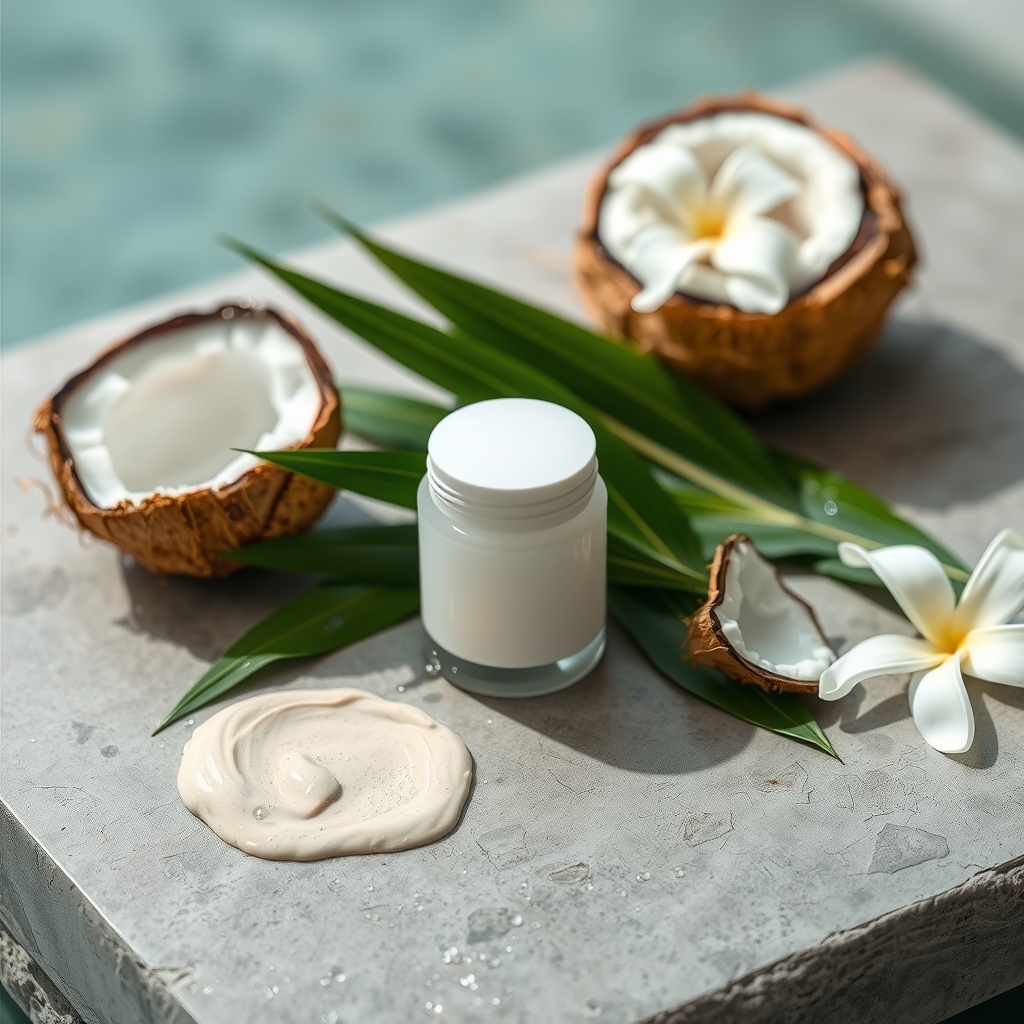
Thai cosmetics have been a steadily popular category among Vietnamese consumers for years: skincare, sunscreen, makeup, hair care, soap, and oral care products. This consistent demand has made importing Thai cosmetics a familiar business path for importers, distributors, retail chains, and online sellers. But between "buying at Thai wholesale markets," "ordering directly from factories," and "working with official distributors," each path leads to very different cost structures, documentation requirements, and growth potential. This article walks through what to consider before placing your first order: choosing a sourcing channel, building an SKU lineup, understanding the documentation package, calculating true landed cost, and deciding whether to resell or build a private label.
Why Thai cosmetics remain an easy sell in Vietnam
Thailand has a long-established cosmetics industry, home to both well-known local brands familiar to Vietnamese consumers—Mistine, Srichand, Cathy Doll, Beauty Buffet, Sivanna Colors, ODBO, Scentio, Baby Bright, 4K Plus, Lolane, Snake Brand, K.Brothers—and factories for international brands such as NIVEA, Vaseline, Pond's, Sunsilk, TRESemmé, Protex, and Colgate.
For the Vietnamese market, this creates two layers of opportunity. The first is Thai brands that already enjoy recognition thanks to tourism and social media content—so you don't need to spend heavily on market education. The second is familiar product lines, but in Thai-made versions, often with different formulas, scents, or specifications than domestic versions, which still creates differentiation on the shelf.
Another advantage: the short geographic distance, with both road and sea routes available, gives Vietnamese importers more flexibility to test new categories before scaling up. That said, this advantage only pays off when you choose the right sourcing channel and prepare proper documentation from the start.
Three channels for sourcing Thai cosmetics and what to consider with each
**Buying at wholesale markets/wholesale stores in Thailand.** The advantage is quick access and hands-on selection, suitable for those testing the market at a small scale. Common drawbacks: export documents may not meet commercial standards, product lineups are hard to keep consistent across purchases, and scaling up as orders grow becomes difficult.
**Ordering directly from factories.** This suits businesses that have already defined their products, have a quantity plan, and want control over specifications. In return, you'll need time to research and compare manufacturing capabilities, and often have to work with multiple factories if your lineup spans several categories. If you're at the stage of finding and comparing Thai suppliers through RFQs, a B2B platform connecting verified factories and exporters like THAIMOST (thaimost.com) is worth considering.
**Working with a distributor/sourcing agent in Thailand.** This path suits importers who want a single point of contact for multiple product groups, need quantity-based pricing, and require export documentation for each item. ThaiNex works directly with manufacturers and official distributors in Thailand, allowing you to consolidate multiple brands under one lineup instead of managing separate relationships yourself.
No single channel is universally right. The question to ask is: are you testing the market, or preparing to scale distribution? Your answer will determine the right channel.
Building your SKU lineup: start narrow, expand based on sales data
A common mistake when importing Thai cosmetics for the first time is taking on too many SKUs. A broad lineup may feel safe, but in practice it spreads capital thin, slows inventory turnover, and makes it harder to read market signals.
A leaner approach: choose one core focus first. For example, a sun protection and brightening skincare focus, a hair care focus, a mass-market makeup focus, or a body care and soap focus. Within each focus, pick a few hero SKUs to draw customers in, and a few supporting SKUs to increase basket value.
Only then consider your sales channel. Products for e-commerce platforms typically favor easily recognizable SKUs with packaging that withstands individual-item shipping. Products for retail chains or Thai specialty stores need to account for carton specifications, display, and turnover speed. Products for spas and salons lean toward larger volumes and specialized care lines.
If you want your lineup to extend beyond cosmetics, the Vietnamese market also absorbs Thai herbal and wellness products well—inhalers, balms, liniment oils—which typically turn over quickly and complement a cosmetics storefront nicely.
Documentation: the factor that determines whether your shipment clears
This is the stage where many cosmetic shipments get delayed. The general rule for commercial imports is that documentation must match the actual goods: product information, specifications, quantity, value, and origin.
With ThaiNex, export documents are provided per item at the time of order; the specific document type, delivery terms, and timeline are confirmed during quotation, depending on the product and destination. For products with existing certifications, related documents are also handled on a per-item basis.
In Vietnam specifically, imported cosmetics are also subject to product notification procedures before they can be sold. This responsibility falls to the importing business—you can handle it yourself or hire a service provider specializing in documentation. Since regulations may change, check with the relevant authorities and customs clearance agents in Vietnam before finalizing your lineup, especially for categories with specific active ingredients or claims.
A practical tip: determine the list of required documents for each SKU at the quotation stage, rather than waiting until goods are packed to ask.
Calculating true landed cost, not just the product price
The price on a quotation is not your landed cost. To know whether an SKU will actually be profitable, you need to build a landed cost table covering the usual items: product price, packaging and consolidation, freight on your chosen route, handling and customs clearance fees, taxes and statutory charges, product documentation costs, plus warehousing and spoilage.
There are also a few variables that are easy to overlook: exchange rates at time of payment, breakage rates for liquid or glass products during shipping, and the capital cost tied up in inventory if turnover is slow.
Once you have landed cost for each SKU, compare it against retail price levels in your target channel, minus dealer discounts or platform fees. Many SKUs look cheap at the source but carry thin margins once all costs are added; conversely, some higher-priced SKUs turn over faster and end up more profitable.
At ThaiNex, pricing is quoted based on specific quantity and product lineup—the team will discuss the approach that fits your market and sales channel rather than applying a flat price list.
Reselling established brands or building a private label?
These two models solve two different problems.
**Reselling established Thai brands** lets you enter the market quickly, leverage existing brand recognition, and validate demand with more flexible initial capital. This makes sense if you're building out a distribution channel, expanding an online storefront, or adding to a retail chain's lineup. The trade-off is that margins face price competition pressure, and you don't own the brand.
**Private label (OEM/ODM)** lets you control the formula, packaging, positioning, and long-term margins, but requires time for product development, brand investment, and a clearer quantity plan. ThaiNex supports private label manufacturing for cosmetics, supplements, and herbal products through a network of partner factories in Thailand. If you want to go deeper into formula and packaging development for your own beauty & wellness brand, an OEM/ODM model like 5FINE (5fineglobal.com) is also worth considering.
In practice, many distributors run both in parallel: using branded goods to generate cash flow and market data, then gradually introducing a private label into segments with proven demand.
Need expert support?
Leave your details and our team will get back to you.
Frequently asked questions
Where should a first-time importer of Thai cosmetics start?
Start by defining your sales channel and target customer group, then choose one narrow product focus instead of a broad catalog. Next, request quotes based on your expected quantity, clarify the list of required documents for each item, and build a landed cost table before finalizing your order.
Does ThaiNex provide export documentation?
Export documents are provided per item at the time of order. The specific document type, delivery terms, and timeline are confirmed during quotation, depending on the product and destination. For products with existing certifications, related documents are also handled on a per-item basis.
Who handles the product notification filing in Vietnam?
This falls under the importing business's responsibility—you can handle it yourself or hire a service provider specializing in documentation. ThaiNex provides documents per item for you to use in this process. Since regulations may change, check with the relevant authorities and customs clearance agents in Vietnam.
How are order quantity and pricing determined?
Pricing and terms depend on the specific product, category, and quantity. You can share your needs and expected scale, and the team will advise on a lineup suited to the market before quoting accordingly; sampling arrangements can also be discussed if needed.
Prepared by the ThaiNex team for informational purposes. Some links may lead to referred partners.
Related articles
Cách nhập hàng Thái Lan về Việt Nam: quy trình 6 bước cho nhà nhập khẩu và người bán sỉ
Hướng dẫn cách nhập hàng Thái Lan về Việt Nam theo 6 bước: chọn ngành hàng, chọn nguồn, tìm hiểu quy định, vận chuyển, tính giá vốn và kiểm hàng.
Nhập hàng Thái Lan: cẩm nang chọn nguồn, tính giá vốn và chứng từ cho nhà nhập khẩu
Nhập hàng Thái Lan đã không còn là chuyện "sang Bangkok đánh vài thùng về bán". Khi quy mô tăng lên, bài toán chuyển từ "mua ở đâu rẻ" sang "mua từ nguồn nào để giữ được chất lượng
Hướng dẫn nhập mỹ phẩm Thái Lan cho nhà phân phối Việt Nam
Cách nhập mỹ phẩm Thái Lan chính ngạch cho nhà phân phối Việt Nam.