
Product guide
Thai Herbal Oil Wholesale: A Guide for Indonesian Importers and Resellers
Looking to import Thai herbal oil products? This guide covers the types of Thai herbal products available, popular brands like Tiger Balm and Siang Pure, how to choose reliable sup
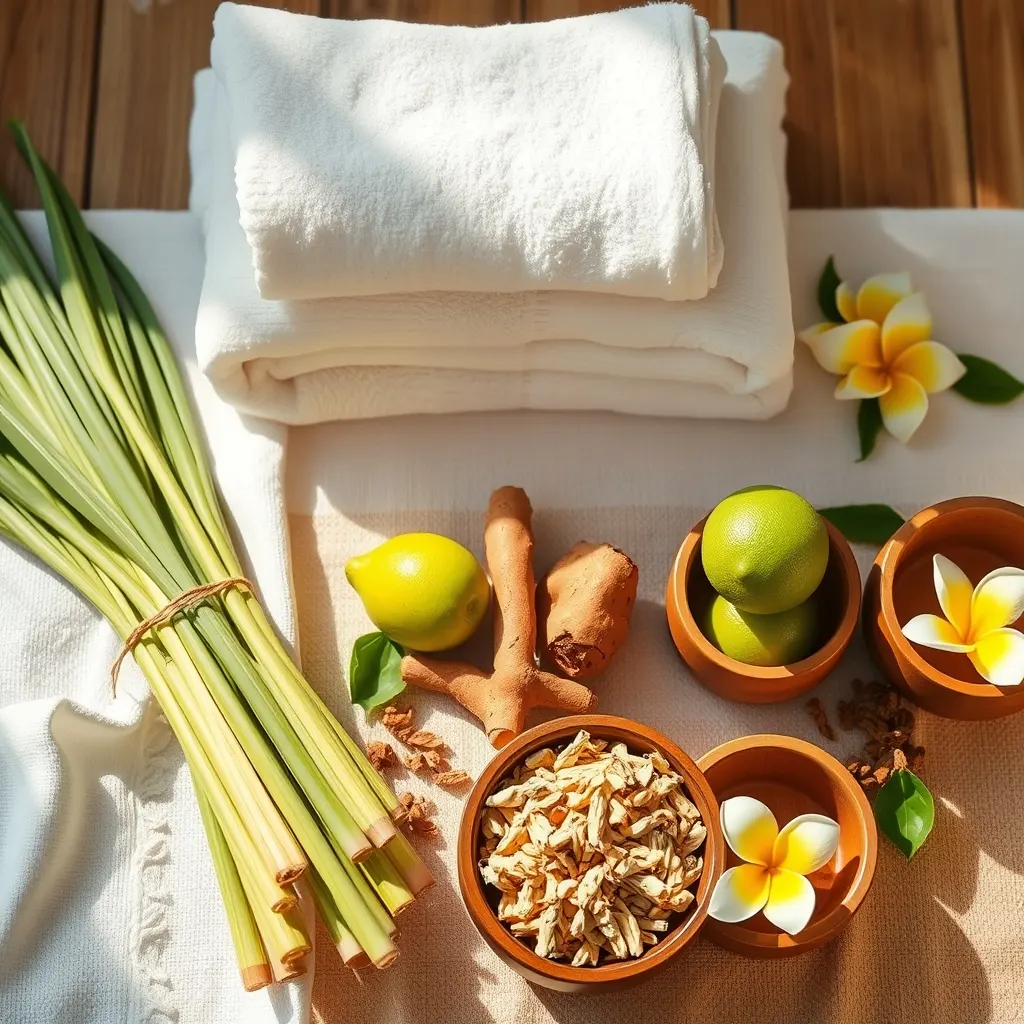
Many Indonesian importers and resellers seek out Thai herbal oil products because their customers are already familiar with classic Bangkok souvenirs: small bottles of green herbal oil, compact inhalers, and warming balm brought home by pilgrims, tourists, and migrant workers. What's important to understand from the start is that in Thailand, this category is not called "kayu putih." The products most similar in function are herbal oils, balms, and inhalers made with menthol, camphor, and essential oils. This guide explains what these products are, which brands are genuinely available, how to select wholesale suppliers, and what to check before placing large orders. Whether you're starting small or scaling up, understanding Thai herbal products as part of a broader range of Thai cosmetics and Thai skincare options can help you build a stronger business.
What Indonesian buyers really mean when they ask for Thai herbal oil
In Indonesia, herbal oil is an everyday product for warming the body, relieving bloating, and treating minor ailments. When customers mention Thai herbal oil, they usually mean a Thai product with similar benefits, not oil from the same plant species. Thailand has its own herbal tradition with three main forms that are well-known throughout Southeast Asia.
The first form is **herbal oil in small bottles**, often green or yellow, made with menthol, camphor, cinnamon oil, cloves, and other essential oils. It can be applied topically or inhaled. The second form is **herbal inhalers** shaped like small tubes that you inhale through your nose, usually with two ends—one for inhaling and one containing the oil. The third form is **herbal balm** in tins or glass bottles, ranging from soft to intensely warming for massage.
For resellers, understanding these differences matters because customers buy for different reasons. Pilgrims often bring inhalers and oils for travel. Families buy balms for massage and muscle relief. Young people buy inhalers as a lifestyle choice and souvenir. When compiling your wholesale shopping list, think about these three segments rather than just one product.
- Herbal oil: apply and inhale, small bottles.
- Herbal inhalers: compact tubes, easy to carry.
- Herbal balm: massage and muscle relief, tins or glass bottles.
The Thai brands shoppers look for and what makes each unique
Several brands are most commonly found in shops, pharmacies, and souvenir centers in Thailand, and these are usually what Indonesian buyers seek. **Siang Pure** is known for its herbal oil in small green and yellow bottles, used for topical application and inhalation. **Hong Thai** and **Poy-Sian** are names closely linked to herbal inhalers—Hong Thai with its tube packaging containing herbs and spices, and Poy-Sian with its dual-ended inhaler that's extremely popular as a souvenir.
In the herbal balm category, **Tiger Balm** is the most internationally recognized, available in red and white variants with different warming levels. **Namman Muay** is known as a signature massage oil commonly used in Thai martial arts. **Wang Prom** offers herbal balms in several color variants suited to different purposes, and **Peppermint Field** specializes in peppermint-based products including inhalers and roll-on oils.
As a reseller, avoid relying on just one brand. Each has its loyal followers and customers often compare products. Start with one or two featured products from each form, then observe which sells fastest in your market. These Thai herbal products are frequently purchased alongside other Thai cosmetics like soaps and sunscreen, so consider bundled souvenir packages. When exploring your supplier options, look for partners who can provide complete documentation and understand the broader Thai products wholesale market.
- Herbal oils: Siang Pure.
- Inhalers: Hong Thai, Poy-Sian, Peppermint Field.
- Herbal balms and massage oils: Tiger Balm, Namman Muay, Wang Prom.

Comparing supply routes: retail shops, wholesale markets, or authorized distributors
There are three common channels for sourcing these products in bulk, each suited to different business stages. The first channel is **buying directly from Thai retail stores or supermarkets** when you visit. This works well for small market testing because you can select items yourself and check expiration dates, but prices are retail and it's difficult to obtain proper documentation for formal imports.
The second channel is **wholesale markets and middlemen traders** in Bangkok. Prices are better and selection is wider, but you need to carefully verify product authenticity, storage conditions, and remaining shelf life. Per-product documentation may also not always be available.
The third channel is **authorized distributors serving overseas buyers**, such as ThaiNex (thainex.com), which works directly with producers and official distributors in Thailand and provides per-product documentation with orders. This route works best when your business is stable and you need reliable supplies for formal imports to Indonesia. Prices and terms are customized based on products and quantities, with the team providing details when they prepare your quote. Whatever channel you choose, always request samples first and compare production dates and packaging condition before ordering in large volumes. For businesses looking to diversify, understanding where to source not just Thai herbal products but also Thai skincare and other Thai products wholesale can open new opportunities.
- Retail stores: small market testing, retail prices, limited documentation.
- Wholesale markets: better prices, requires careful verification of authenticity and shelf life.
- Authorized distributors: per-product documentation, ideal for formal imports and stable-scale operations.
Documentation and regulations Indonesian importers must verify
Herbal oil and balm products in Thailand are generally classified as traditional herbal products or cosmetics depending on their claims. In Indonesia, the classification can differ, and this classification determines the approval route, labeling requirements, and import duties. Products claiming to relieve common cold or muscle pain may fall into a category requiring market approval from BPOM, while products with aromatherapy claims might be treated differently. Don't assume—check with BPOM and your customs broker before deciding which products and quantities to import.
From the supplier side, reasonable documents to request per product include a commercial invoice, packing list, ingredient list, certificate of analysis per batch, and Certificate of Origin to benefit from ASEAN preferential tariffs if applicable. Some products may also require additional documentation depending on Indonesian regulations at the time. Documentation is typically provided per product when you order, so confirm availability before paying.
For shipping, note that these products contain essential oils and sometimes alcohol, so there are air transport restrictions for certain types. Ask your freight forwarder whether the products fall under hazardous goods classification and what documents are required. Glass packaging for balms and small bottles also needs drop testing before the first shipment. Understanding these requirements upfront helps prevent delays and ensures compliance whether you're importing Thai herbal products, Thai supplements, or other Thai products wholesale.
- Determine product classification in Indonesia with BPOM and your customs broker.
- Request per-product documents: invoice, packing list, composition, CoA, CoO.
- Check shipping restrictions for essential oils and glass packaging.

How to identify authentic products and maintain quality until they reach customers
Herbal oils and balms are often counterfeited because of their small size and affordable price, so resellers need to know what to check. Start at the source: products purchased from authorized distributors or official retail stores carry far less risk than products from unclear sources. Request per-product documentation and compare batch numbers on packaging with the documents provided.
Physically, inspect the print quality of packaging, the neatness of seals, color consistency of liquid between bottles in one batch, and clearly printed production and expiration dates. Keep one sealed sample from each batch for comparison if a customer complains. When answering customer questions about authenticity, explain your source concretely and show the documentation you have, rather than offering absolute guarantees.
Storage also affects quality. Essential oils and menthol evaporate easily and are sensitive to heat, so store in a cool place away from direct sunlight, both in your warehouse and on display shelves. Products with short remaining shelf life should be sold first. These simple practices keep the aroma and warming effect of products as customers expect, reducing returns and complaints. Whether you're stocking Thai herbal products or expanding into Thai skincare or other items, proper storage is essential to maintaining product integrity.
- Buy from sources that can provide per-product documentation.
- Check print quality, seals, consistency, and dates; keep one sample per batch.
- Store in cool conditions, sell products with shorter shelf life first.
Planning your first wholesale order and selling in Indonesia
For your first order, choose a mix representing all three product forms, not just one brand: one or two herbal oils, two inhalers, and one or two herbal balms. Quantities per item should match your ability to sell within a few months without approaching expiration; your supplier will advise on minimum quantities when preparing your quote. Calculate your full landed cost including shipping, import duties, handling fees, and documentation, then set your retail price from there.
In Indonesia, these products sell well through several channels. Marketplaces like Shopee and Tokopedia are good for retail sales with clear descriptions of variants and usage. Souvenir shops and stores selling pilgrimage and umrah supplies are strong physical channels for inhalers and herbal oils. Resellers serving migrant worker communities and their families often become repeat buyers. For marketing, focus on usage stories and souvenirs, and avoid unauthorized medical claims for your product category.
After your first batch sells, review the data: which form sells fastest, which brands get the most inquiries, and what complaints arise. This data shapes your second order. Many resellers start with Thai herbal products and expand to other Thai items like Thai cosmetics, Thai skincare, Thai supplements, and even Thai sauces and seasonings, because the same customers often shop for all of these in one place. Understanding the full range of Thai products wholesale options helps you serve your customers better and grow your business sustainably.
- First order: a mix of all three forms, quantities matched to your sales capacity.
- Calculate full landed cost, not just purchase price.
- Channels: marketplaces, souvenir shops, umrah supply stores, migrant worker communities.
Need expert support?
Leave your details and our team will get back to you.
FAQ
Frequently asked questions
Is there authentic Thai herbal oil the same as what's sold in Indonesia?
Thailand doesn't have a kayu putih tradition like Indonesia does. The closest functional alternatives are herbal oils, inhalers, and balms made with menthol, camphor, and essential oils from brands like Siang Pure, Hong Thai, Poy-Sian, and Tiger Balm. When Indonesian customers mention Thai herbal oil, they're usually referring to these products.
Do these products need BPOM approval to sell in Indonesia?
It depends on the product classification and claims in Indonesia, which may differ from Thai classification. Products claiming to relieve certain conditions may require market approval from BPOM. Because regulations can change, check directly with BPOM and your customs broker before deciding which products and quantities to import.
What are the minimum wholesale order quantities?
Minimums and prices vary by product, brand, and supply route you choose. Your supplier or distributor will inform you of these terms when they prepare a quote based on your product list. For your first order, prioritize quantities you can sell before products approach expiration.
How do I make sure the products I'm buying are authentic?
Buy from authorized distributors or official retail stores that can provide per-product documentation, match batch numbers on packaging to your documents, check print quality and seal neatness, and keep sealed samples from each batch. When customers ask about authenticity, explain your source concretely and show your documentation rather than offering absolute guarantees.
Prepared by the ThaiNex team for informational purposes. Some links may lead to referred partners.
Articles
Related articles

Thai Makeup Brands Worth Stocking: A Guide for PH Resellers
Thai makeup brands are a natural fit for Philippine resellers: Asian shade ranges, humidity-ready formulas and accessible pricing. Which to stock, how to source and what to check.

थाईलैंड से प्रोडक्ट इंपोर्ट कैसे करें: इम्पोर्टर्स और डिस्ट्रीब्यूटर्स के लिए पूरी गाइड
भारत में थाई प्रोडक्ट्स की मांग लगातार बढ़ रही है — खासकर कॉस्मेटिक्स, हर्बल वेलनेस और स्किनकेयर कैटेगरी में। अगर आप इम्पोर्टर, डिस्ट्रीब्यूटर या ऑनलाइन सेलर हैं और सोच रहे हैं कि

أفضل منتجات تايلاندية للبيع في الإمارات: دليل المستوردين والموزعين
أفضل منتجات تايلاندية للبيع في الإمارات: معايير الاختيار للسوق الخليجي، العناية بالبشرة ومستحضرات التجميل، الأعشاب والبلسم، الأغذية والمشروبات، العناية الشخصية، وخطوات البدء بالجملة.