
Guide
Import Thai Herbal Products to UAE: A Practical Buyer's Guide
Plenty of distributors want to import Thai herbal products to UAE because demand is visible — balms, inhalers, massage oils and herbal teas already move through pharmacies, souks a
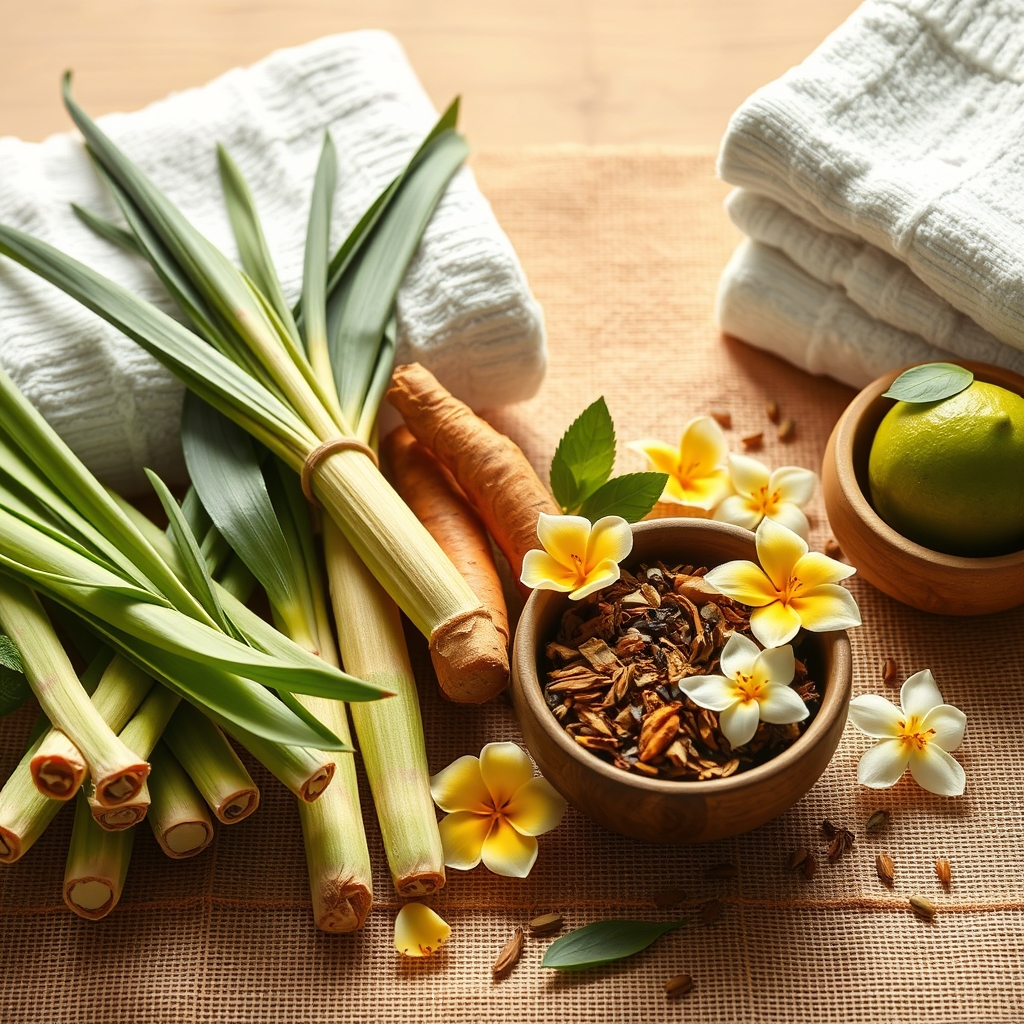
Plenty of distributors want to import Thai herbal products to UAE because the demand is already visible — balms, inhalers, massage oils and herbal teas move through pharmacies, souks and online shops across the Emirates. What stops most first shipments is not demand but classification: the same jar can be treated as a cosmetic, a food supplement or a herbal medicinal product depending on how it is presented, and each route has a different registration path. This guide sets out the decisions in order.
Why Thai herbal products travel well into the Gulf
Three things make this category a natural fit for the UAE market.
The first is an existing habit. Topical relief products, inhalers and massage preparations are everyday purchases across the Gulf, so you are not introducing a new behaviour — you are offering a different origin for something people already buy.
The second is the resident and visitor mix. A large South and Southeast Asian population already knows these products from home, while Thailand's reputation as a wellness and spa destination gives the category recognition with Gulf nationals and European residents who have travelled there.
The third is format. Balms, inhalers, oils and compresses are compact, shelf-stable and inexpensive per unit, which suits both pharmacy shelves and online baskets. Thailand's herbal category includes widely recognised names such as Tiger Balm, Siang Pure, Poy-Sian and Namman Muay, alongside herbal teas and traditional topical preparations.
There is a fourth, commercial point. Herbal products sit comfortably next to adjacent Thai categories — Thai skincare, Thai supplements and Thai snacks — which lets a distributor build one shipment, one customer list and one set of documents across several ranges rather than importing a single narrow line.
None of this removes the regulatory work. It simply means the work is usually worth doing.
Classification decides everything that follows
Before anything else, establish what each product is, in the eyes of the UAE authorities, rather than in the eyes of the Thai label.
The practical split is roughly as follows. A product presented purely for cleansing, perfuming or improving appearance is generally treated as a cosmetic. A product taken by mouth to supplement the diet is generally treated as a food supplement or health product. A product presented with therapeutic claims — relieving, treating or preventing a condition — may be treated as a herbal or traditional medicinal product, with a correspondingly stricter route.
The determining factor is often the claim, not the composition. The same balm can sit in two different categories depending on whether the carton says muscle relief or simply soothing massage balm. This is why so many first-time importers are surprised by a decision that seems inconsistent: the authority is reading the presentation.
Two consequences follow. First, do not plan the shipment until classification is settled, because registration body, documentation, labelling and even who may sell the product all change with it. Second, be careful about translating Thai claims directly; what is acceptable wording in one market can push a product into a regulated category in another.
Requirements and competent authorities can change, so confirm the current position with the relevant UAE authority or a local regulatory consultant before you commit to an order.
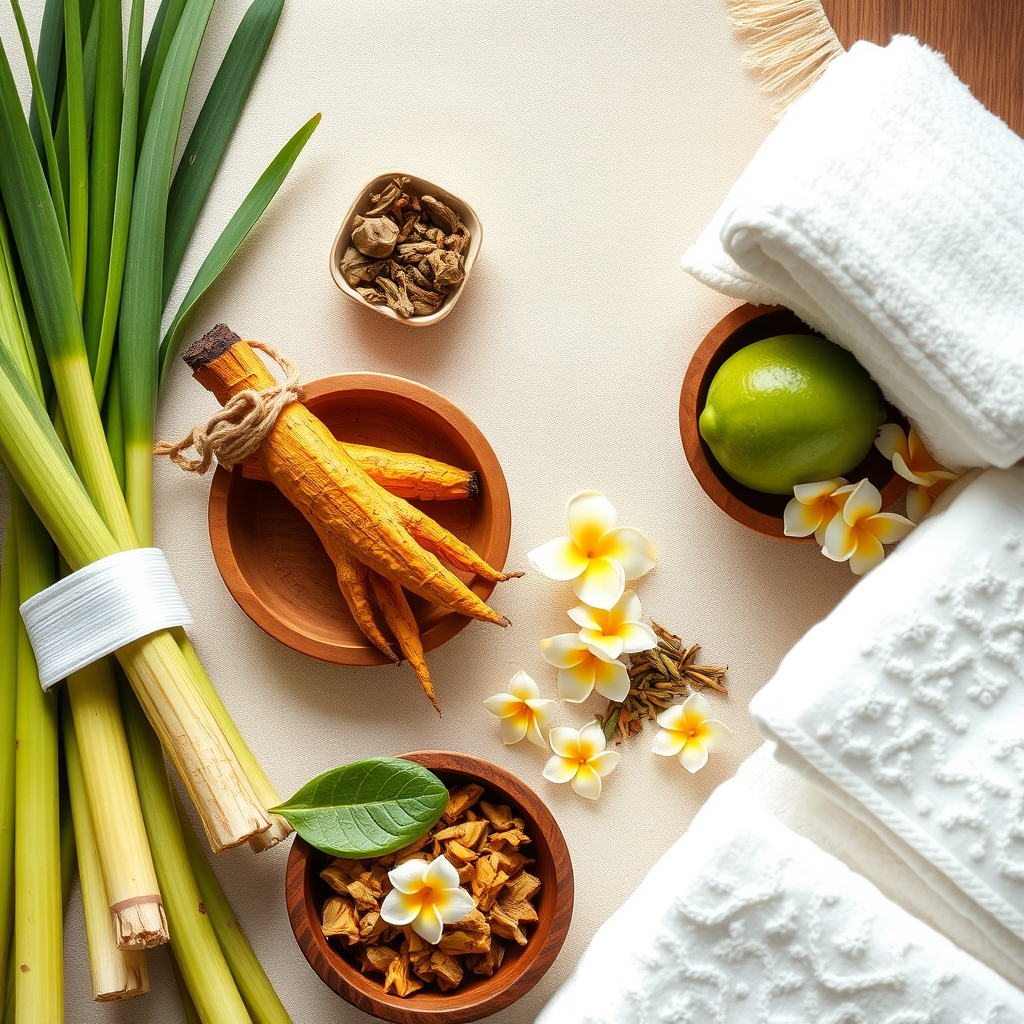
Registration and documentation, in outline
The outline below describes the shape of the process, not a substitute for current official guidance.
You need a UAE presence first. Importing commercially requires a valid trade licence with the right activity, an importer code with customs, and registration on the relevant electronic systems. Some categories also require arrangements with a local agent or distributor, which is a commercial decision with legal consequences — take advice before signing anything exclusive or long-term.
Product registration follows the classification. Health products, supplements and herbal medicinal products generally fall under the federal health authority, while cosmetics and food products are typically handled through municipal registration systems. Each has its own portal, dossier and fee structure.
The dossier usually draws on documents that must come from the Thai side: a free sale certificate or equivalent from the Thai authority, manufacturer licence and quality certification, full composition, specifications and test results, artwork, and a certificate of origin for the shipment itself. Several of these commonly need legalisation or attestation, which takes time and is easy to underestimate.
The practical lesson for buyers: ask your supplier early and precisely which documents they can provide for each specific item, since document availability varies by product. Agree it in writing before ordering rather than discovering a gap when the container has already sailed.
Labelling, Arabic text and halal expectations
Labelling is where otherwise well-planned shipments stall, because the fix usually has to happen before arrival rather than after.
Arabic is the baseline expectation for consumer-facing information in the UAE, generally alongside English. That includes the product name, the ingredient or composition statement, net content, country of origin, storage instructions, manufacturing and expiry information, and the name of the importer or distributor. Warnings and usage directions follow the category rules.
Decide early who applies the Arabic text. Printing it on the primary carton in Thailand is cleaner and looks better on shelf, but it commits you to artwork before registration is complete. Applying compliant stickers after arrival is more flexible and more labour-intensive, and it must be done in a way the authority accepts.
Halal is the other expectation worth planning for. It is not a blanket requirement for every product, but for ingestible items and anything containing animal-derived components, buyers and retailers will ask. Where halal status matters to your channel, treat it as a documented attribute with certification behind it rather than an assumption.
Finally, keep claims consistent across the carton, the leaflet, your website and your marketplace listing. Regulators in the region do look at advertising, and an approved label with an unapproved online claim is still a problem.
Shipping, storage and the costs people forget
Herbal products are light and cheap per unit, which makes the logistics look simple until you price the whole chain.
Sea freight is the normal route for volume and air freight for samples, launches and top-ups. Either way, the landed cost calculation should include freight, insurance, customs duty and VAT, port and handling charges, clearance and broker fees, document legalisation, registration fees, any relabelling labour, and inland delivery to your warehouse.
Storage matters more than people expect in a Gulf climate. Balms and ointments soften, volatile inhalers lose strength, and herbal teas and botanical powders are sensitive to humidity. Ask your supplier for the recommended storage conditions per item and check that your warehouse and your last-mile courier can actually meet them. A product that arrives in good condition and then sits in an uncooled store for a month will generate complaints you cannot blame on the factory.
Shelf life is the related trap. Herbal products often carry shorter remaining shelf life on arrival than imported cosmetics, and some retailers apply a minimum-remaining-life rule at intake. Agree with your supplier what remaining life you expect at shipment, and confirm batch and expiry documentation is provided per item at the time of ordering.
Plan a first shipment that is small enough to be a lesson rather than a liability.
Choosing a supply route and what to ask for
There are three realistic routes, and they suit different stages.
Buying branded Thai products through an official distributor or exporter is the usual starting point. You get recognisable products, consistent packing and export documentation handled by people who do it regularly. The trade-off is that you are one of several sellers of the same item, so your advantage has to come from distribution and service.
Buying directly from Thai manufacturers can work once you have volume in a specific line, but it means managing documentation, consolidation and quality yourself.
Developing your own range through OEM skincare or herbal contract manufacturing is the private label route. It takes longer and requires formulation, artwork and registration in your own name, but it removes price comparison and builds an asset you own. Most distributors do this after a category has proven itself through branded sales, not before.
Whatever route you choose, ask every supplier the same questions: which documents are available for each specific item, what the packing configuration and gross weight are, what remaining shelf life you can expect at shipment, what the Arabic labelling options are, and who handles export clearance. ThaiNex (thainex.com) works with manufacturers and official distributors in Thailand and supports both branded wholesale and private label programmes, and the documentation available is confirmed per item at the time of quotation.
Start with a focused assortment, document everything, and expand once the first shipment has taught you where your real costs sit.
Need expert support?
Leave your details and our team will get back to you.
FAQ
Frequently asked questions
Is a Thai herbal balm a cosmetic or a medicine in the UAE?
It depends on how it is presented rather than what tradition calls it. A balm described for soothing massage is usually treated as a cosmetic, while the same product marketed as relieving or treating a condition may fall under the herbal or traditional medicine route. Because registration and labelling differ sharply, confirm the classification with the relevant authority before ordering.
Do I need a local partner to import?
You need a UAE entity with the appropriate trade licence and customs registration, and some product categories involve agent or distributor arrangements. Whether you set up your own entity or work with a local partner is a commercial and legal decision with long-term consequences, so take advice from a UAE-based consultant before signing any agency or exclusivity agreement.
Does everything need halal certification?
Not every product, but expectations are highest for ingestible items and anything with animal-derived ingredients, and many retailers ask regardless. Treat halal status as a documented attribute of a specific product with certification behind it rather than a general assumption about a brand, and confirm what your intended channel requires before you place the order.
Can I start with a small trial shipment?
A small first shipment is usually the sensible approach, because it lets you test demand, confirm your landed cost model and learn the clearance process with limited exposure. Discuss the assortment with your supplier and confirm which documents accompany each item, since registration and labelling work is required whether the shipment is small or large.
Prepared by the ThaiNex team for informational purposes. Some links may lead to referred partners.
Articles
Related articles

Thai Skincare Brands for Resellers: A Buying Guide for the Philippine Market
Thai beauty products have built a strong following among Filipino consumers—from drugstore staples to viral TikTok finds. For distributors, online sellers, and retail chains in the

Kem chống nắng Thái Lan sỉ: hồ sơ, giá vốn và cách nhập chuẩn
Nhập kem chống nắng Thái Lan sỉ không khó ở chỗ tìm hàng, mà khó ở ba chặng phía sau: hồ sơ, giá vốn thật và cách kiểm hàng.
Import Thai Cosmetics UAE: A Buyer's Guide for Importers and Retailers
Thailand has become one of the most dependable sourcing hubs for beauty, wellness and consumer goods in the Middle East, and the UAE market reflects that shift clearly. If you are