
Thai Product Sourcing Guide: How to Choose Suppliers, Select Product Categories, and Import Like a Pro
Thai products have established a strong presence in Vietnam: cosmetics, liniment oils, health supplements, household goods—consumers recognize brands quickly and resale is easy. Bu
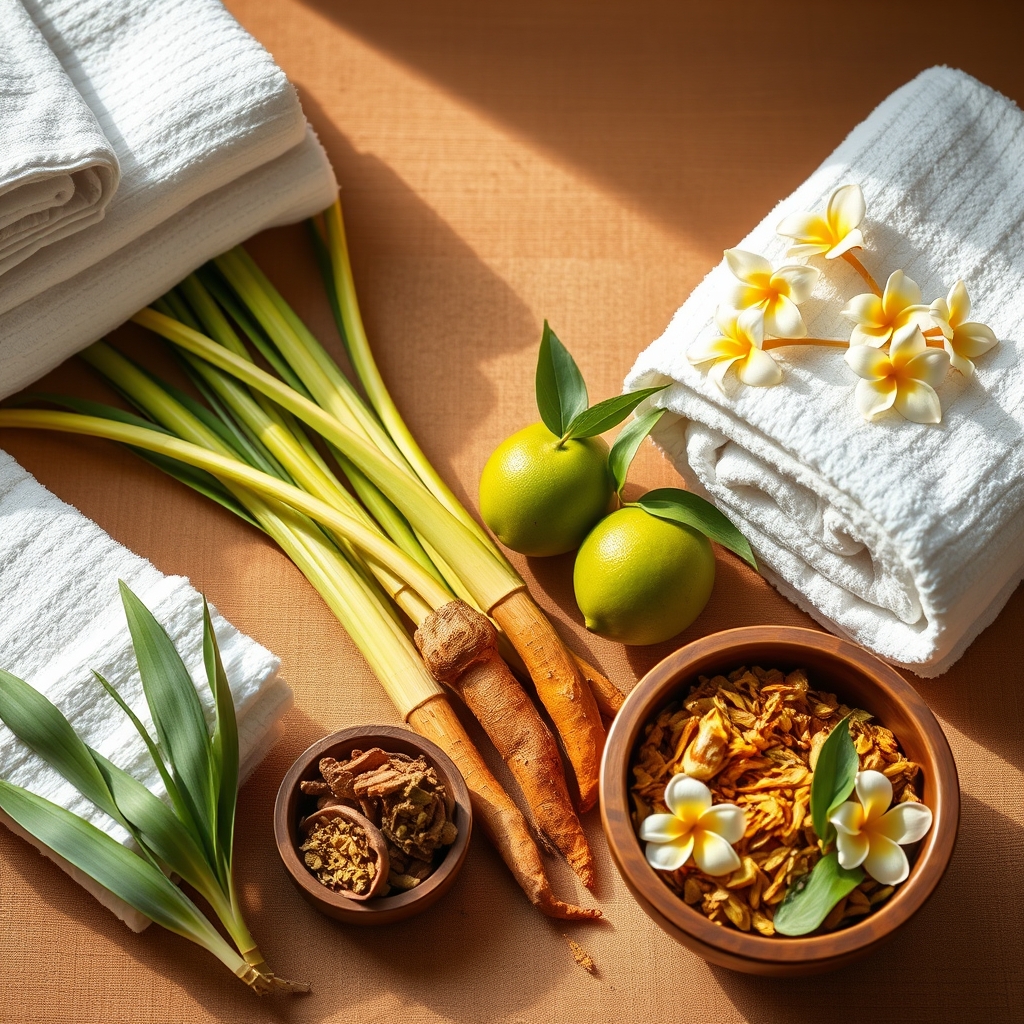
Thai products have long held a special place in Vietnam's market: cosmetics, liniment oils, health supplements, household goods—consumers recognize brands quickly, and resale is straightforward. Yet when you get serious about it, the hardest question isn't "what to sell" but "where to source Thai products the right way." Whether you buy from border wholesale markets, work with middlemen, partner with official distributors, or commission private-label products—each path delivers different cost structures, risk levels, and growth potential. This guide is built for importers, distributors, shop owners, and online sellers who want to establish a professional Thai sourcing operation: from classifying supplier types and choosing product categories, to calculating true landed costs, understanding workflows, and navigating import documentation.
Thai Sourcing Channels and Which Model Fits Your Business
In reality, Thai products reach Vietnam through several main channels, and each serves a different business scale.
**Buying from Thai wholesale markets and trading centers.** This works when you're testing the market, need many different SKUs in small quantities, and want hands-on selection. The downside: prices vary with each visit, it's hard to replicate the exact assortment later, and official export documentation often doesn't come included.
**Working with official distributors or sourcing agents in Thailand.** This fits when you've identified bestselling categories and want to reorder consistently. Advantages: stable product assortment by SKU, clear tiered pricing, and export documents supplied with each product order.
**Direct factory orders.** Makes sense when you're buying deep on just a few SKUs or creating your own product. The trade-off: you handle sourcing from multiple factories if your range is diverse.
**OEM/ODM—private-label production.** Instead of reselling existing Thai brands, you commission manufacturing under your own label at Thai factories. Higher profit margins and brand control, but longer product development cycles and more preparation needed on formulation, packaging, and documentation.
Here's a simple choice: if your goal is fast sales and market validation, start with ready-made Thai brands. If your goal is building a long-term brand asset, consider private-label from your planning stage forward.
Thai Product Categories Worth Considering for Vietnam's Market
Not all Thai products have equal potential in Vietnam. Below are the categories getting attention from importers and online sellers, plus a commercial perspective.
**Beauty & Personal Care** is the largest and most competitive group: skincare, body care, hair care, makeup, sunscreen, soap, oral care. Vietnamese consumers know many Thai brands: Mistine, Srichand, Cathy Doll, Beauty Buffet, Sivanna Colors, ODBO, Baby Bright, 4K Plus, Lolane, Snake Brand, Yanhee. Plus international brands made in Thailand: NIVEA, Vaseline, Pond's, Sunsilk, TRESemmé, Protex, Colgate. This category moves fast and suits e-commerce platforms, but requires you to prepare cosmetic notification documents per local regulations.
**Herbal & Wellness**—liniment oils, balms, warming oils, herbal teas—is the "signature" category for Thai goods, with familiar names: Tiger Balm, Siang Pure, Hong Thai, Poy-Sian, Namman Muay, Salonpas, Peppermint Field, Wang Prom, Fitne. Lower unit margins but strong repurchase rates and easy bundling.
**Health & Nutritional Supplements**: Blackmores, Vistra, BRAND'S, Propoliz, Vita-C, Milo, Ovaltine, Nescafé… This group needs careful attention to documentation and regulations for health supplements.
**Food & Beverages**: MAMA, Tao Kae Noi, ChaTraMue, Doi Kham, Bento, Glico, Kunna, Ranong Tea… Works well for Thai product shops, convenience stores, and group-buying channels.
**Household & Home Care**: Comfort, Downy, Hygiene, Glade, Fineline, plus mother and baby products like Kodomo, Babi Mild, D-nee—high repeat consumption, good for grocery stores and offline channels.
Practical advice: don't open too many categories at once. Pick one core category to build your customer base, then expand to complementary categories serving the same customer group.
Calculating True Landed Cost: Why Thai Wholesale Price Isn't What You Actually Pay
A common mistake when sourcing Thai products is comparing Thai wholesale prices to Vietnam retail prices, then calculating margins. Real landed cost includes many more components.
A proper cost framework should include:
1. **Product price by quantity tier**—prices change by volume level and SKU, so always request quotes based on your specific assortment. 2. **Packaging, consolidation, and export costs in Thailand**—depends on product type, box specifications, and your requirements. 3. **Shipping cost to Vietnam**—land and sea routes are common options; costs vary by weight, volume, timing, and delivery terms. 4. **Tariffs, import duties, and customs clearance**—depends on HS code and current regulations; confirm with a Vietnam customs broker. 5. **Domestic documentation costs**—for example, cosmetic notification or food supplement paperwork; this is your import business's responsibility or you hire a service provider. 6. **Domestic operations costs**—warehousing, inland transport, shrinkage, returns, platform fees, marketing.
When you build a spreadsheet with all these by SKU, you'll find some "cheap" products aren't profitable because they're bulky, and others at higher prices are real profit makers because they're light and fast-moving. Product selection should be based on this analysis, not intuition.
Working with a Thailand Sourcing Partner: Standard Process
When working with a sourcing agent or distributor in Thailand, the process typically follows these steps—and knowing them in advance helps you prepare better and shorten communication time.
**Step 1 – Submit Your Needs.** Clearly state your target market, sales channel (marketplace, offline, wholesale distribution), product categories of interest, and specific product codes if you have them. The more specific, the more accurate the quote.
**Step 2 – Category Consultation.** The team will suggest assortments suited to your market and channel, rather than sending a generic list. This is when to ask about packaging specifications, label languages, and variants of the same product line.
**Step 3 – Pricing by Volume.** Price, timing, and delivery terms are confirmed in the quote, depending on products and destination.
**Step 4 – Samples (if needed).** For new items or when you need to verify specifications before committing, you can discuss sample sourcing.
**Step 5 – Place Order and Prepare Documentation.** Export documents are supplied with each product when you order. Discuss early what documentation set you need for customs clearance and domestic paperwork.
In practice, ThaiNex (thainex.com) works directly with manufacturers and official distributors in Thailand, consolidating diverse product categories under one contact point—useful when you want to order cosmetics, herbal products, and household goods in one shipment instead of juggling multiple suppliers.
Documentation, Regulations, and What You Must Manage Yourself
The part that confuses many first-time Thai importers is documentation. A few principles to keep straight:
**Distinguish two document types clearly.** First: commercial and export documents originating from your Thai supplier, supplied per product when ordering. Second: paperwork filed by your Vietnam import business—for example, cosmetic notification or food-related procedures. Your supplier provides source materials; the in-country registration falls on you or a service provider you hire.
**Check regulations before finalizing your assortment, not after.** HS codes, product policies, labeling requirements—confirm with a Vietnam customs broker or relevant authority early in your product selection phase. Information here is for reference only.
**Standardize your assortment by product code, not product name.** A Thai product line usually comes in multiple sizes, scents, and market versions. When ordering, describe by product code and specifications to avoid gaps between quoted and received goods.
**Test small before scaling.** Run a tight assortment to measure actual sales speed, return rates, and operating costs, then expand proven SKUs. This data beats guesses.
Resale vs. Private-Label: A Strategic Crossroads
This is a strategic inflection point anyone serious about Thai sourcing will face.
**Reselling ready-made Thai brands** gets you to market fast: demand exists, customers know the product, education costs are low. The trade-off: you compete directly on price with other resellers of the same SKU, and it's hard to build long-term barriers without a distribution or service advantage.
**Going private-label (OEM/ODM)** gives you control over formula, packaging, pricing, and brand story. Ideal once you have stable sales channels, understand your customer deeply, and want to shift from "selling products" to "building a brand." Thailand has strong manufacturing networks in cosmetics, supplements, and herbal products, making it a logical destination for private-label in these categories. If you're leaning this way, the OEM/ODM beauty & wellness model like 5FINE (5fineglobal.com)—formula development, packaging design, and manufacturing through partner factories—is worth exploring.
The practical path many businesses take: early stage, import established Thai brands to generate cash flow and learn the market; once you identify your bestselling category, gradually convert it to private-label to improve margins, while keeping some branded products to drive traffic.
Kailangan ng tulong mula sa eksperto?
Iwan ang iyong detalye at makikipag-ugnayan ang aming team.
Mga madalas itanong
What product category from Thailand should I start with if I'm new to this?
Choose one pillar category based on your sales channel. If selling online, cosmetics and personal care typically turn faster. If selling through a brick-and-mortar store, grocery shop, or group buying, household goods, food, and herbal products build repeat customers more easily. Once you have real sales data, then expand into complementary categories serving the same customer base.
How much volume do I need to order to get wholesale pricing?
Pricing depends on the specific product and quantities, so there's no single threshold. The most effective approach is to send a list of product codes you're interested in along with your expected order size; our team will advise and quote according to quantity for your exact assortment.
When importing Thai products to Vietnam, does your supplier handle product notification paperwork?
Export documents are supplied per product when you place an order. Domestic paperwork like cosmetic notification is handled by your import business directly or through a specialized service provider. You should verify specific requirements with Vietnam's customs authority or relevant regulatory body.
How are delivery time and shipping costs calculated?
Both depend on product type, packaging specifications, destination, and transportation method (land or sea). Delivery timeframes, conditions, and supporting documents are confirmed in the quote based on your specific order.
Inihanda ng ThaiNex team para sa impormasyon lamang. Ang ilang link ay maaaring magdala sa mga inirekomendang partner.
Kaugnay na artikulo
Nguồn hàng mỹ phẩm Thái Lan chính hãng: cẩm nang chọn nguồn và kiểm tra chứng từ cho nhà nhập khẩu
Cách phân loại nguồn hàng mỹ phẩm Thái Lan chính hãng, dấu hiệu nhận biết, bộ chứng từ cần hỏi trước khi đặt cọc và cách xây danh mục cho lô nhập đầu tiên.
Thai Cosmetics Supplier Philippines: A Sourcing Guide for Distributors and Resellers
Thai beauty brands are a natural fit for the Philippine market. This guide explains how Filipino distributors, online sellers and retail buyers can source authentic Thai cosmetics the right way.
Thai Cosmetics Supplier UAE: How Importers and Retailers Source Genuine Thai Beauty Brands
How UAE importers, pharmacies and beauty retailers work with a Thai cosmetics supplier: brands, documents, logistics and how to request a wholesale quotation.